

all aim
-
PARD ACTION MT6-2L mount for tube 16-23mm 
PARD ACTION MT6-2L mount for tube 16-23mm
PARD ACTION MT6-2L mount for tube 16-23mm
298 DKKSale price 298 DKK Regular price -
PARD ACTION MT6-3 magnetic lining 
PARD ACTION MT6-3 magnetic lining
PARD ACTION MT6-3 magnetic lining
339 DKKSale price 339 DKK Regular price -
PARD ACTION MT6-4 bracket for action cam 
PARD ACTION MT6-4 bracket for action cam
PARD ACTION MT6-4 bracket for action cam
339 DKKSale price 339 DKK Regular price -
PARD FD1 -
PARD Landsat mini -
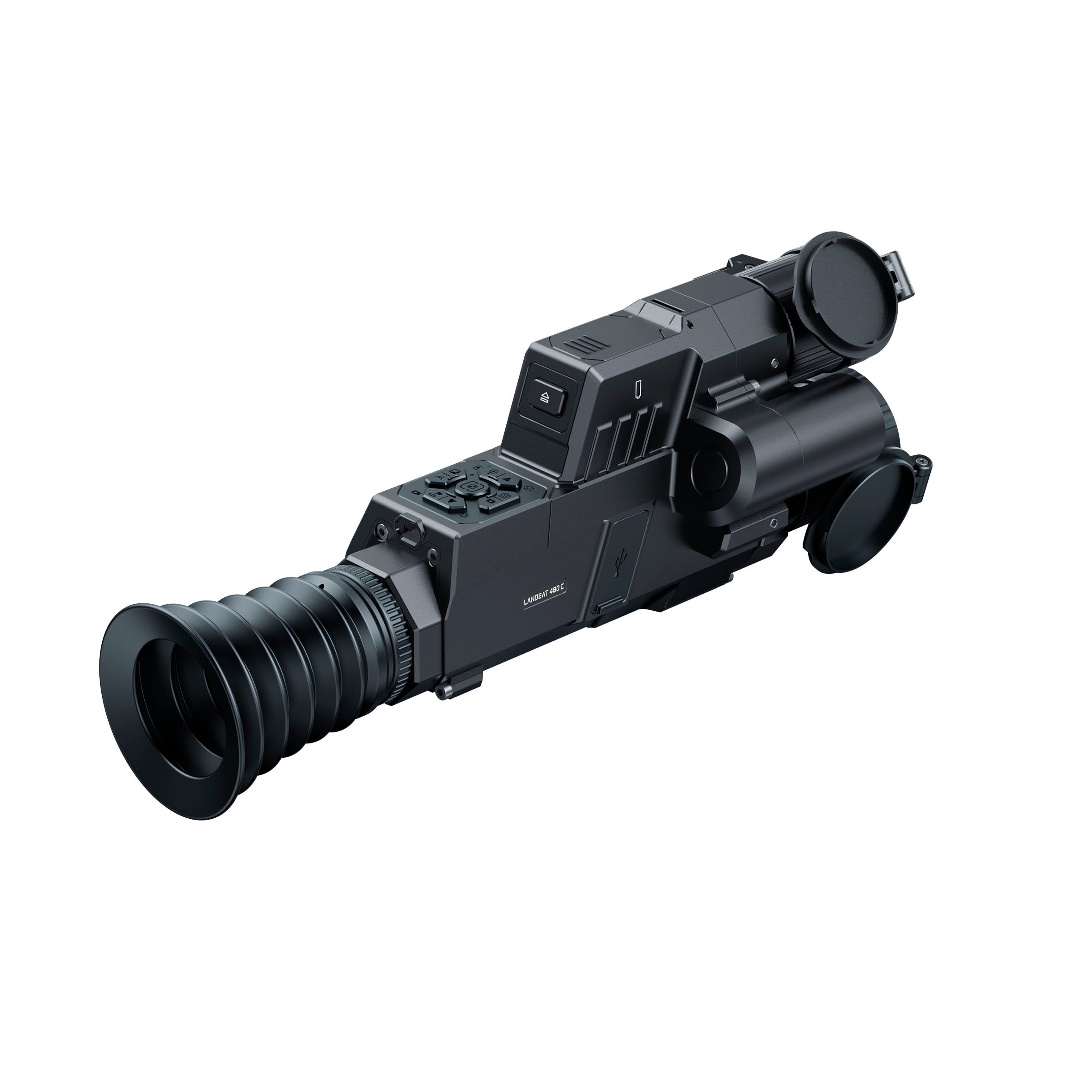
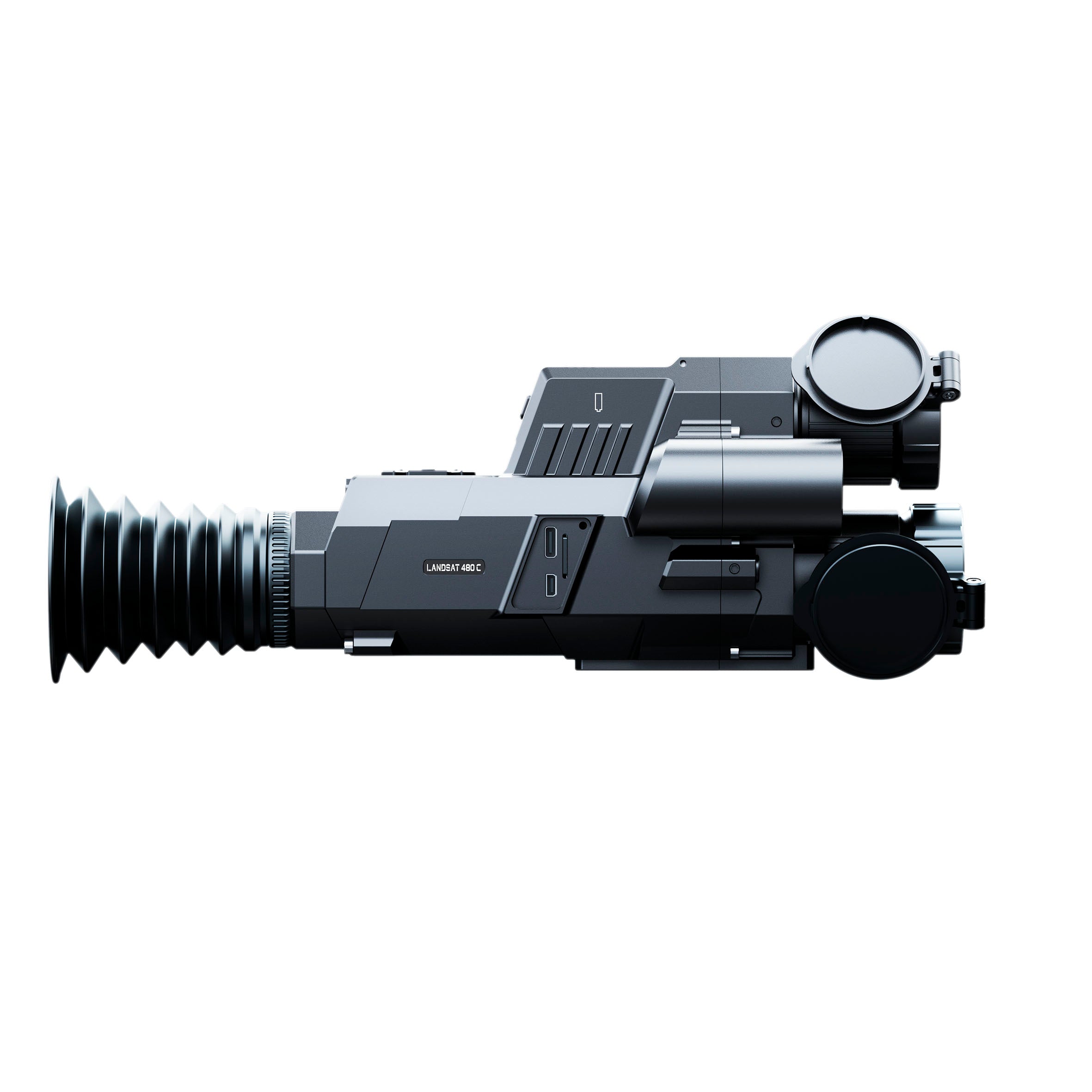
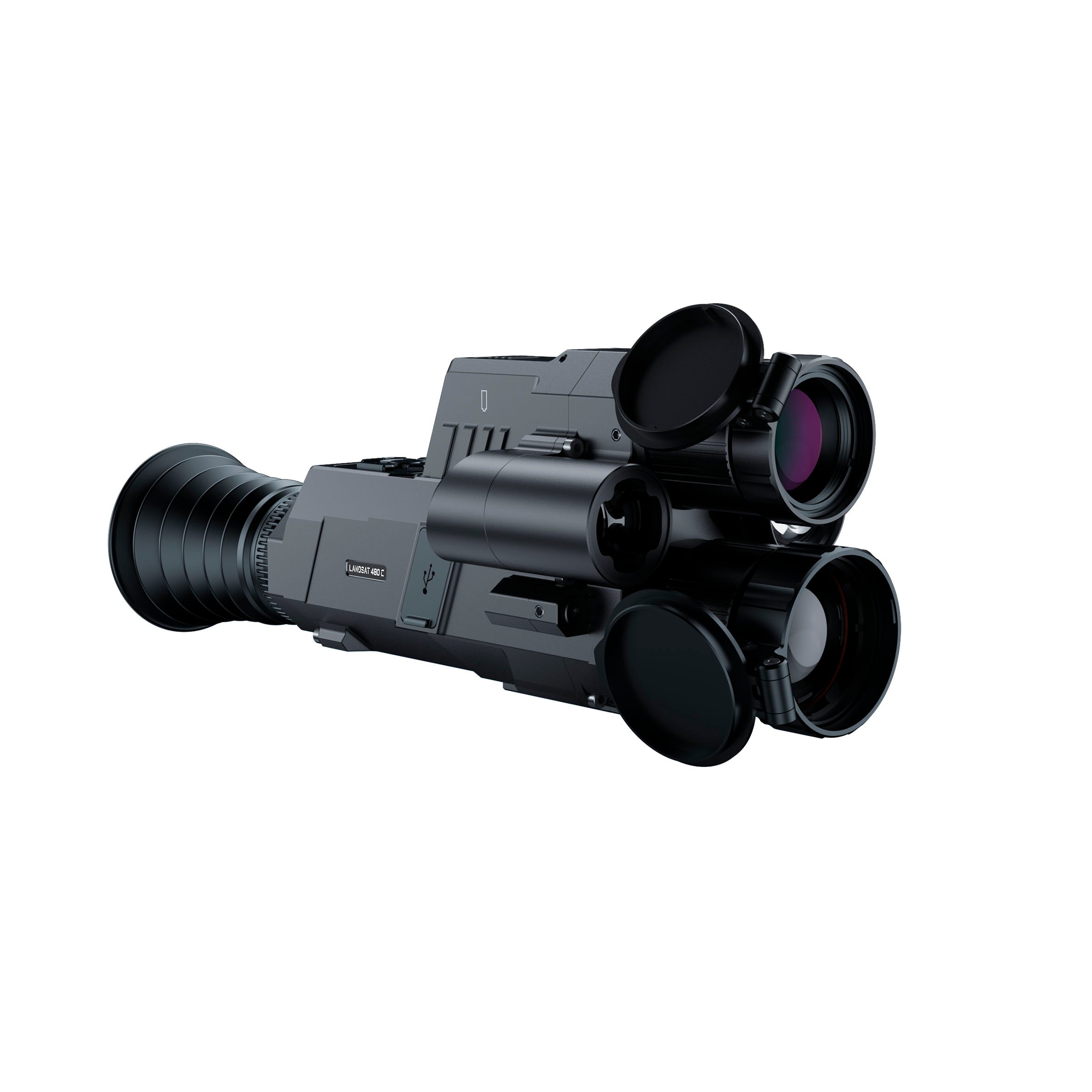
PARD Landsat Q 480 -
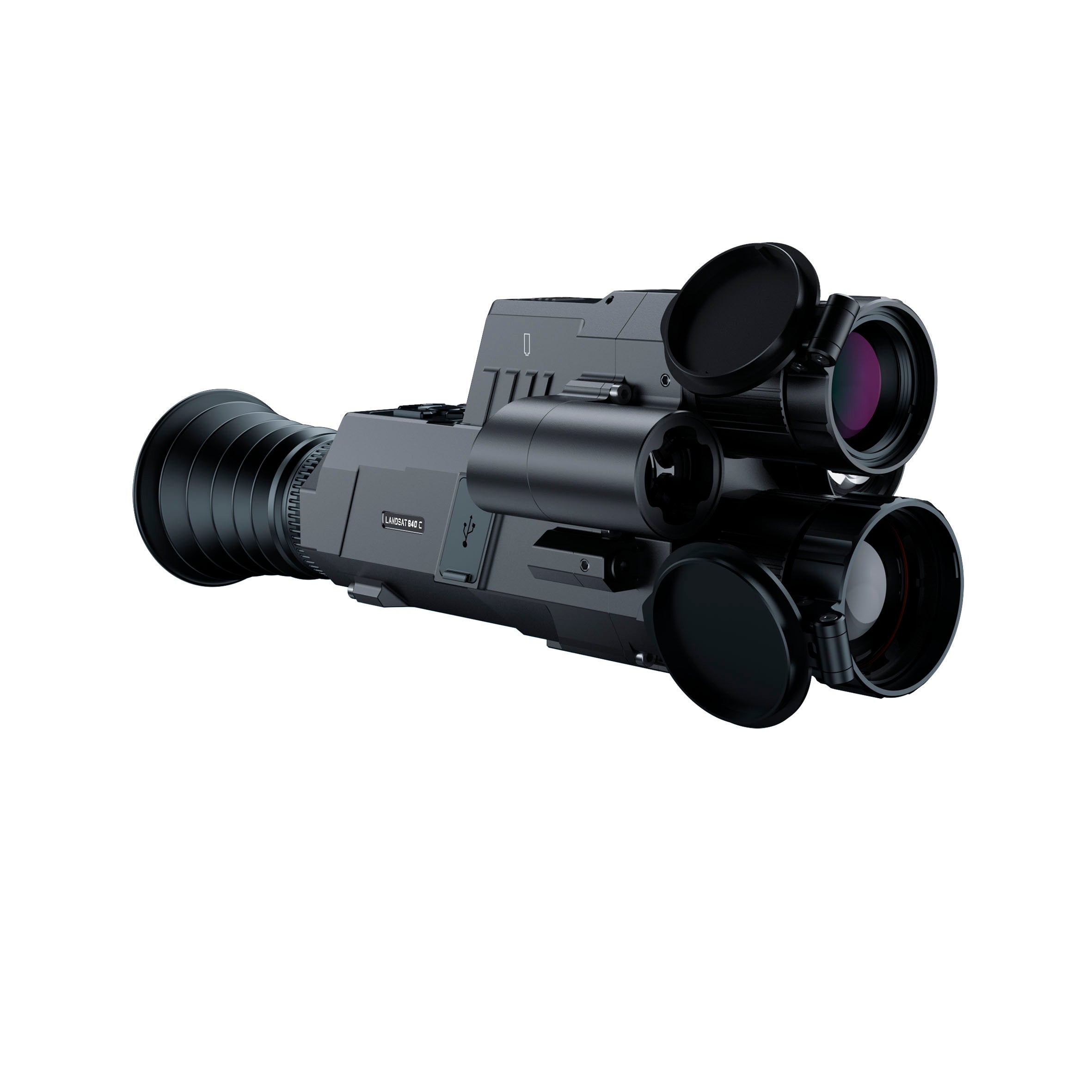
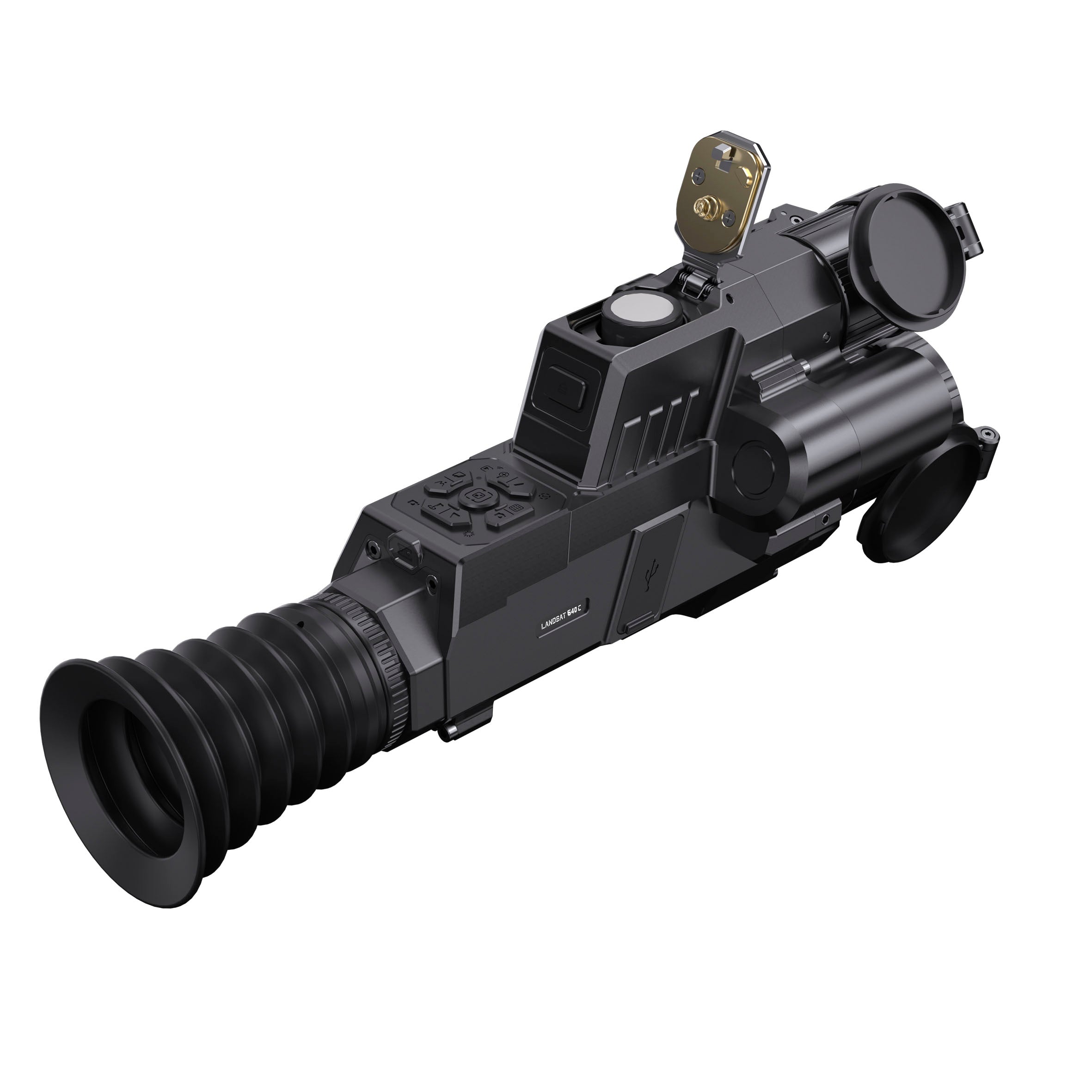
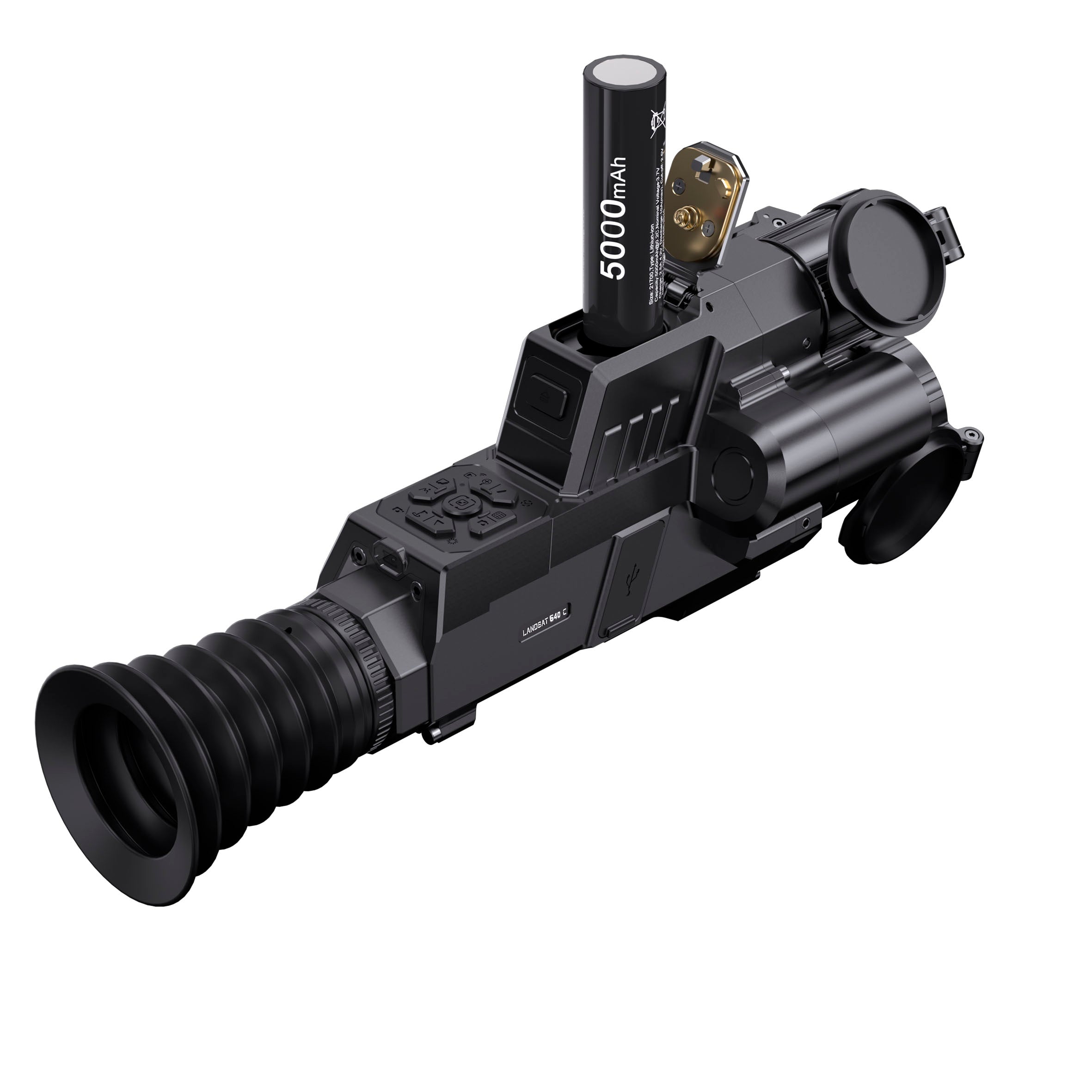
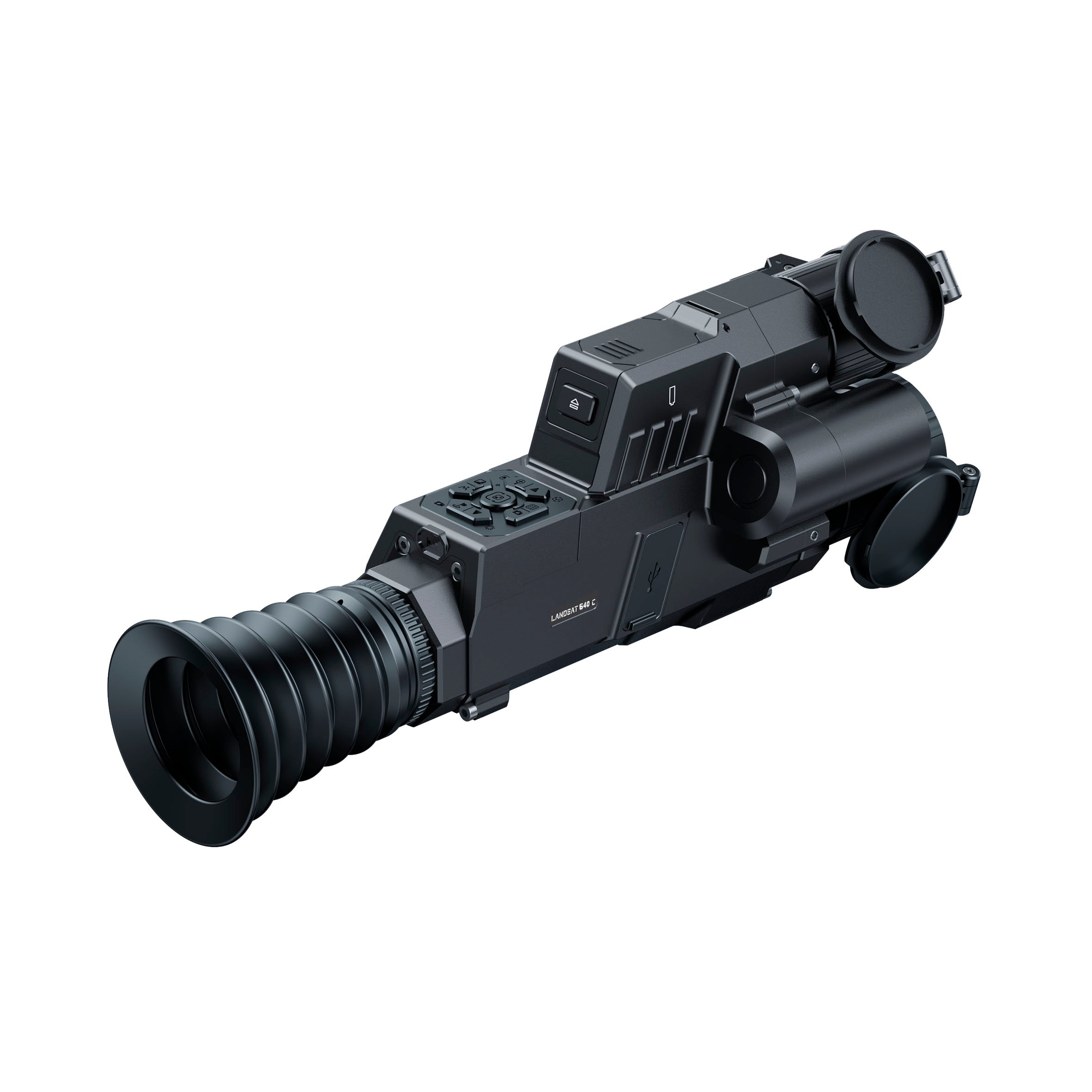
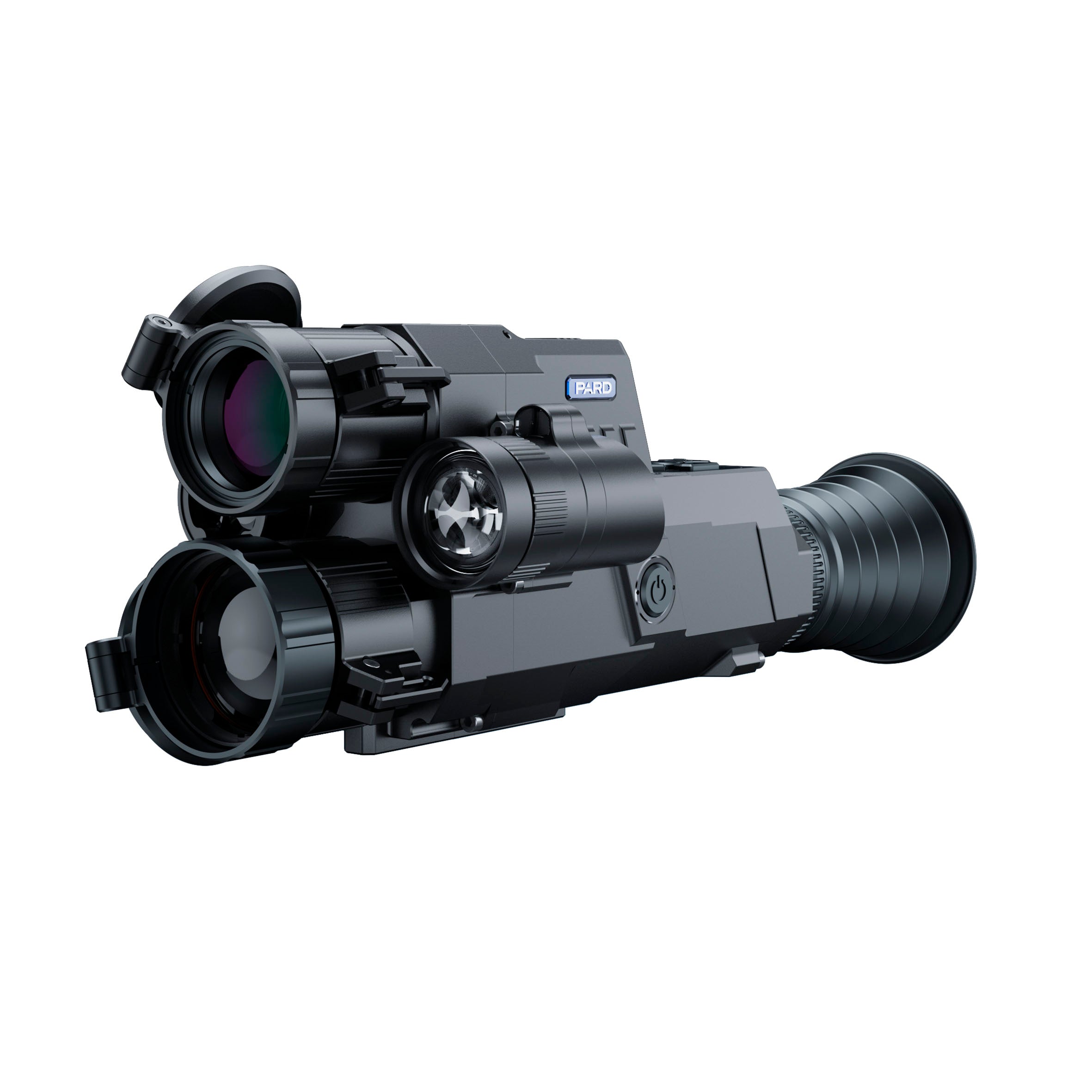
PARD Landsat Q 640 -
PARD Night Stalker 4K 2.0 LRF 
PARD Night Stalker 4K 2.0 LRF
PARD Night Stalker 4K 2.0 LRF
7.998 DKKSale price 7.998 DKK Regular price -
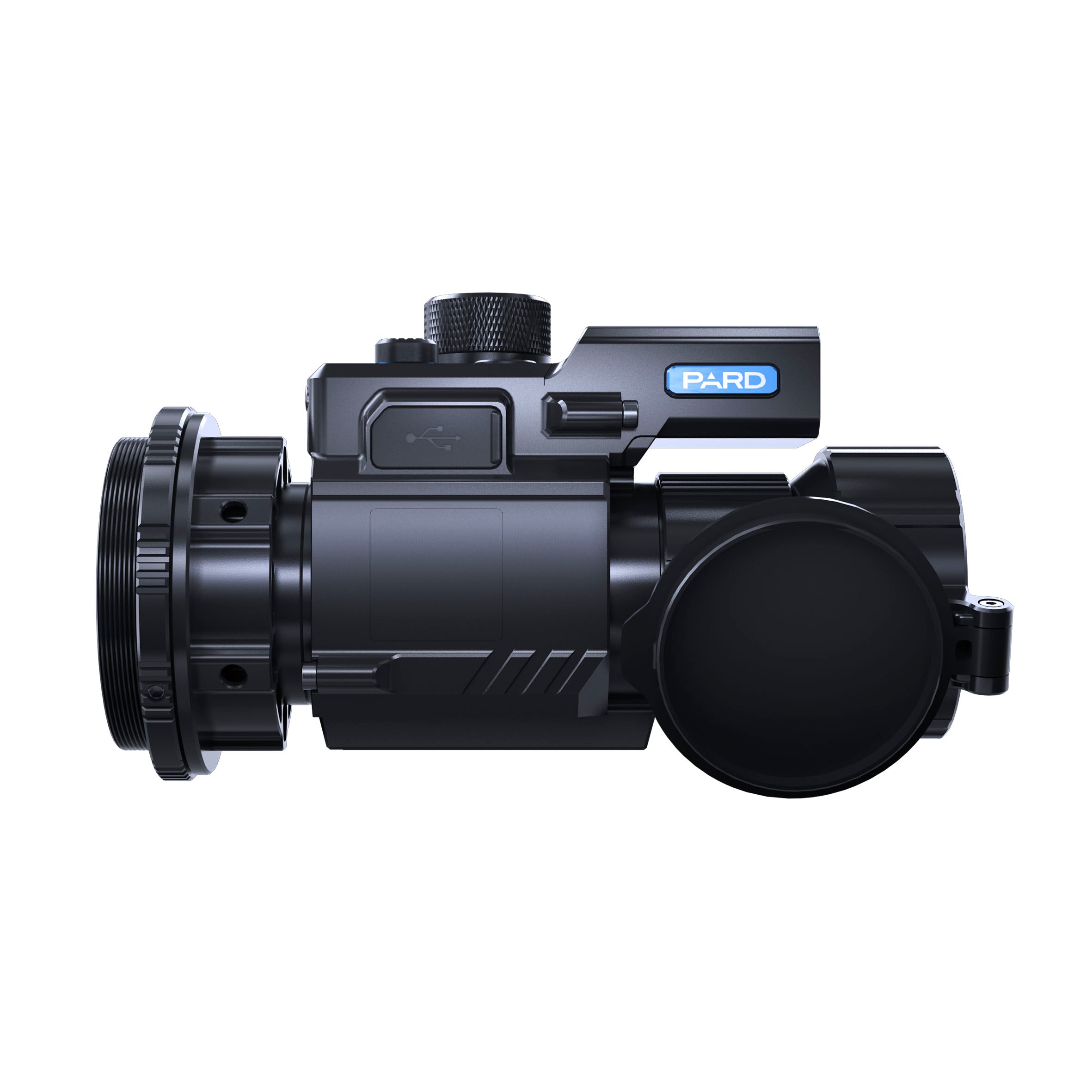
PARD Night Stalker 4K eX -
PARD Night Stalker 4K IR/LRF module 
PARD Night Stalker 4K IR/LRF module
PARD Night Stalker 4K IR/LRF module
1.795 DKKSale price 1.795 DKK Regular price -
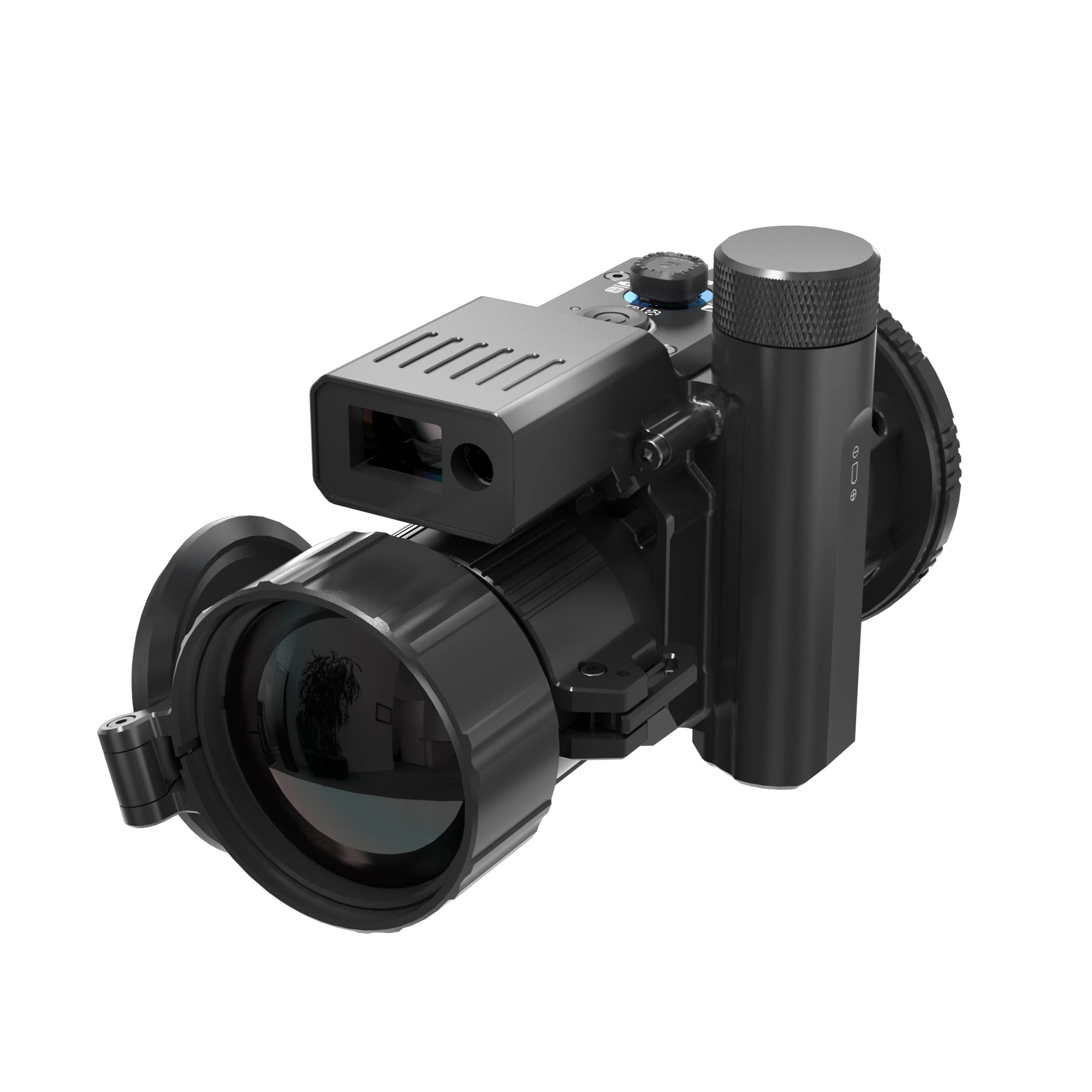
PARD Night Stalker 4K Mini LRF 
PARD Night Stalker 4K Mini LRF
PARD Night Stalker 4K Mini LRF
5.555 DKKSale price 5.555 DKK Regular price -
PARD Night Stalker MINI -
PARD NV007SP -
PARD NV007SP-LRF -
PARD NV007SP2 4K -
PARD NV007V Nordic -
PARD Panther 256 mini -
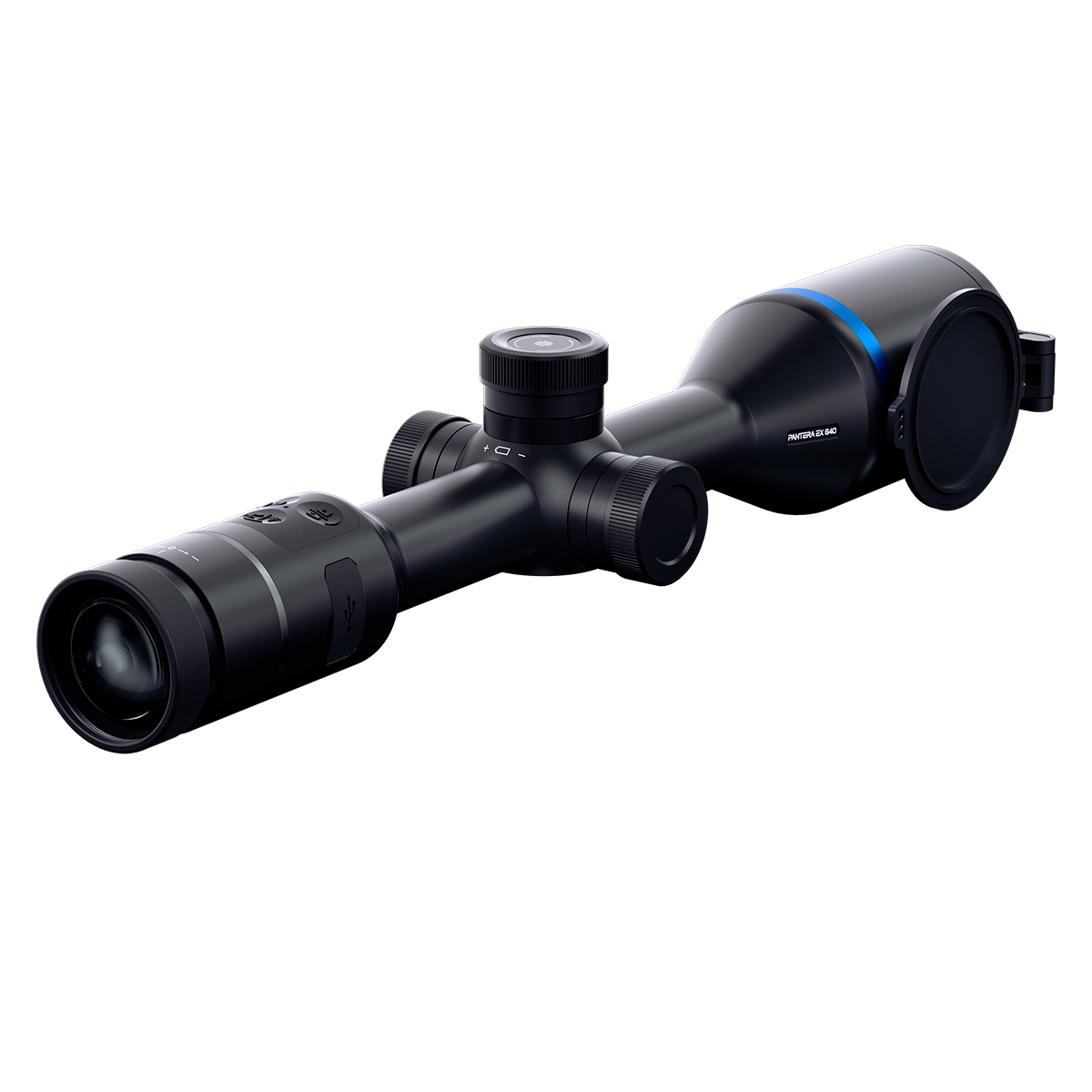
PARD Pantera eX 640 -
PARD Pantera eX 640 LRF -
PARD Pantera Mini 25mm 384 LRF 
PARD Pantera Mini 25mm 384 LRF
PARD Pantera Mini 25mm 384 LRF
13.349 DKKSale price 13.349 DKK Regular price -
PARD Pantera Mini 35mm 384 LRF -
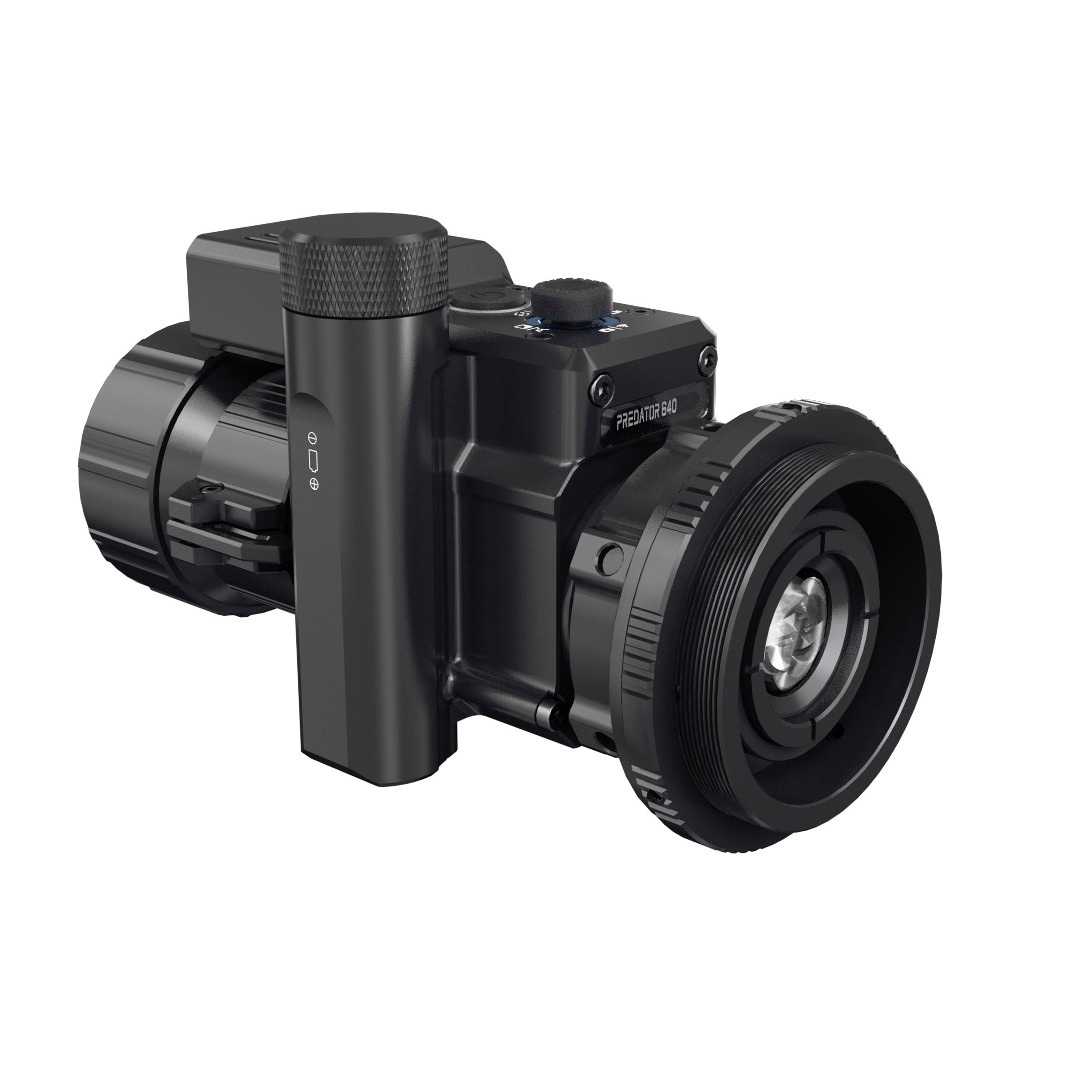
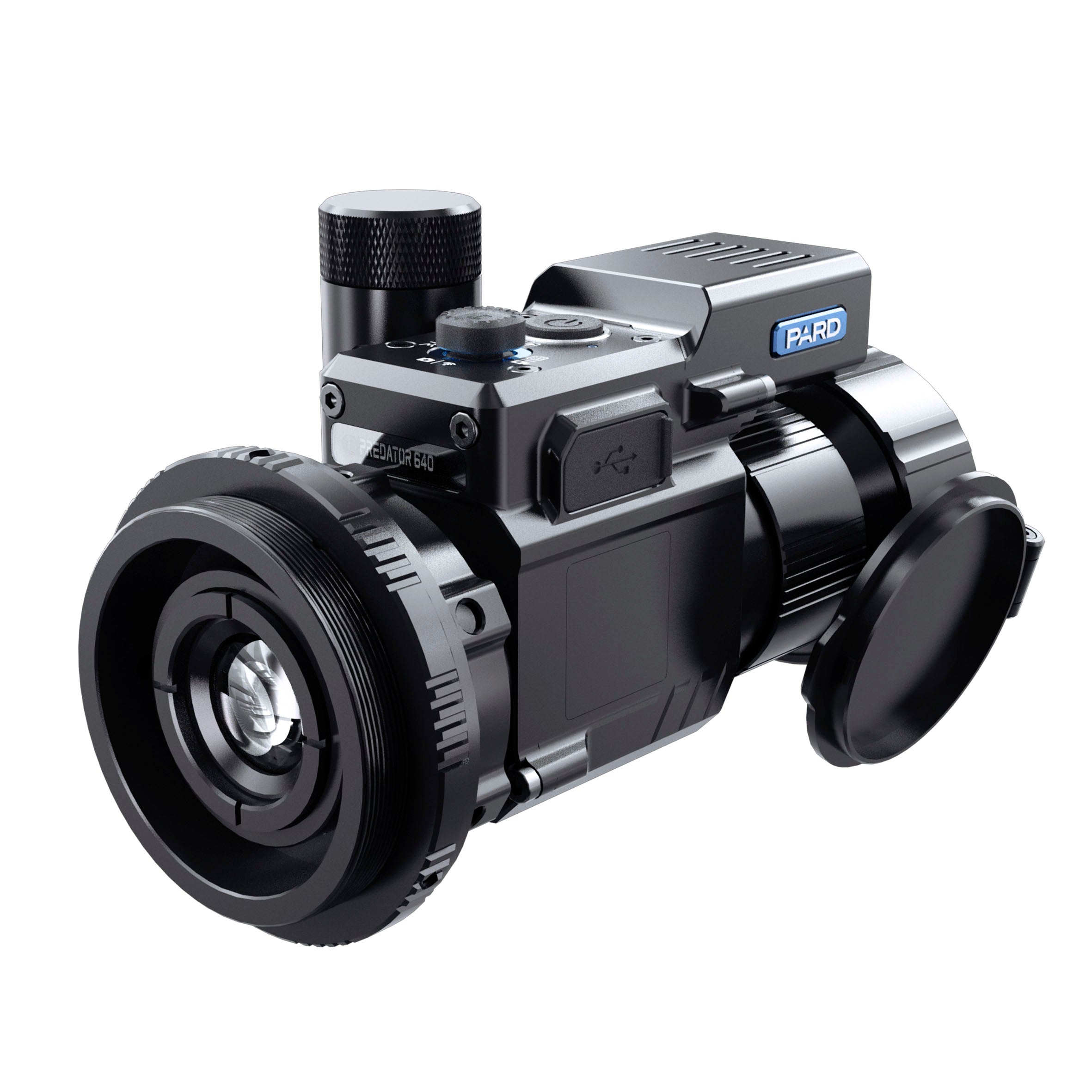
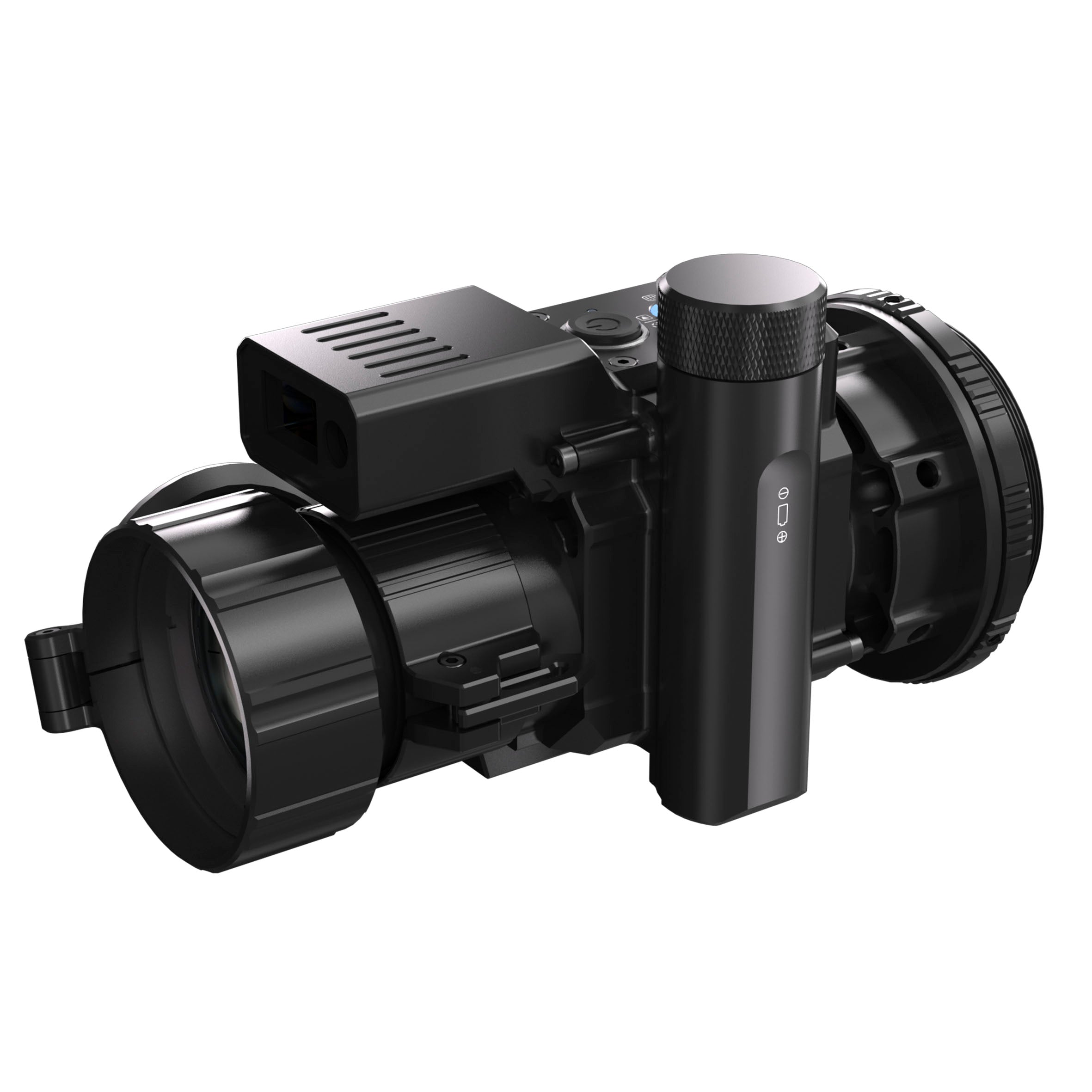
PARD Predator 35mm 480 LRF 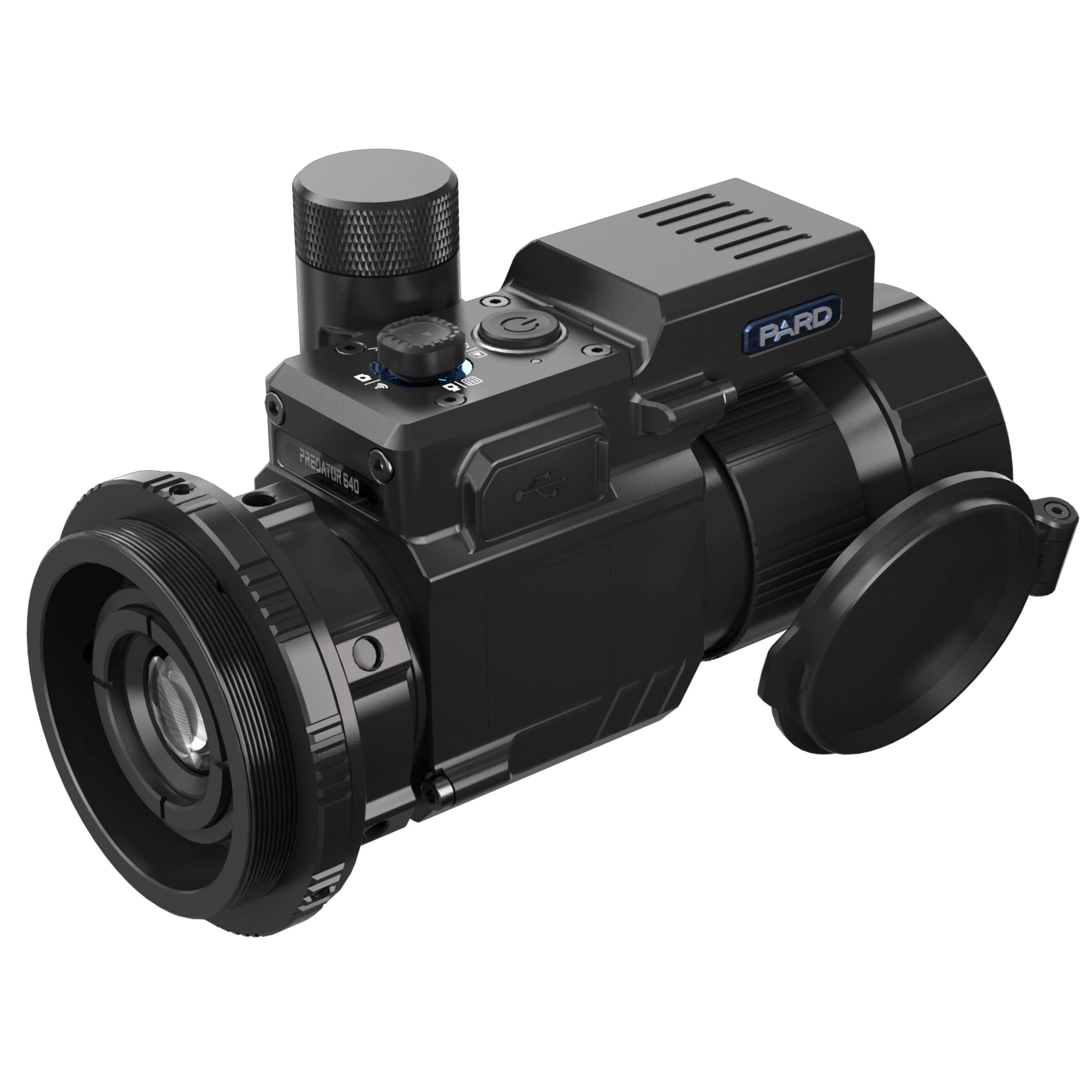
PARD Predator 35mm 480 LRF
PARD Predator 35mm 480 LRF
13.820 DKKSale price 13.820 DKK Regular price -
PARD Predator 45mm 640 LRF
PARD Predator 45mm 640 LRF
PARD Predator 45mm 640 LRF
19.980 DKKSale price 19.980 DKK Regular price -
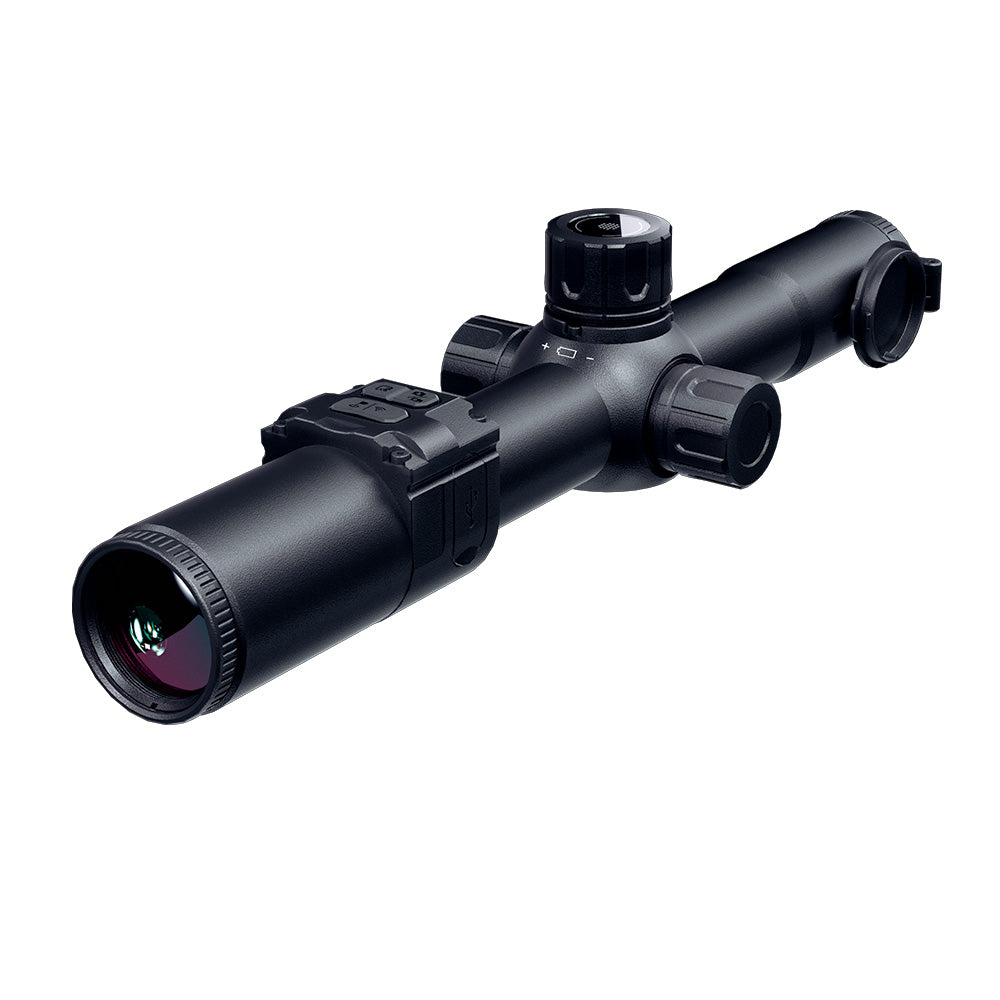
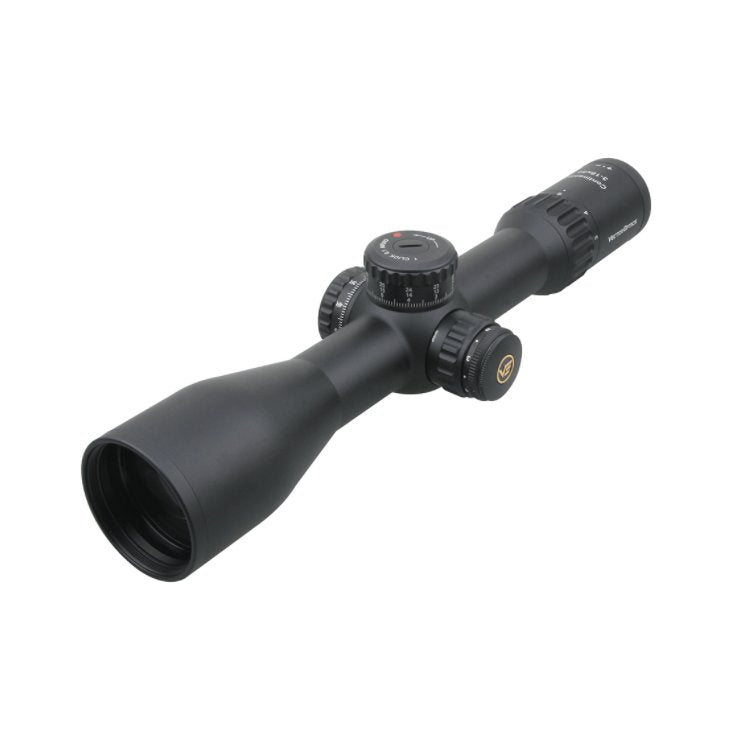
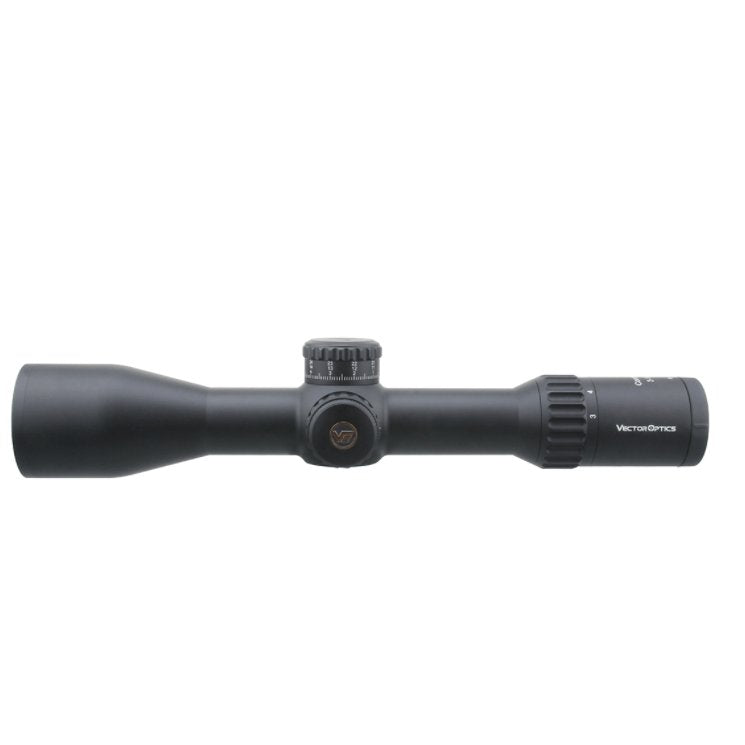
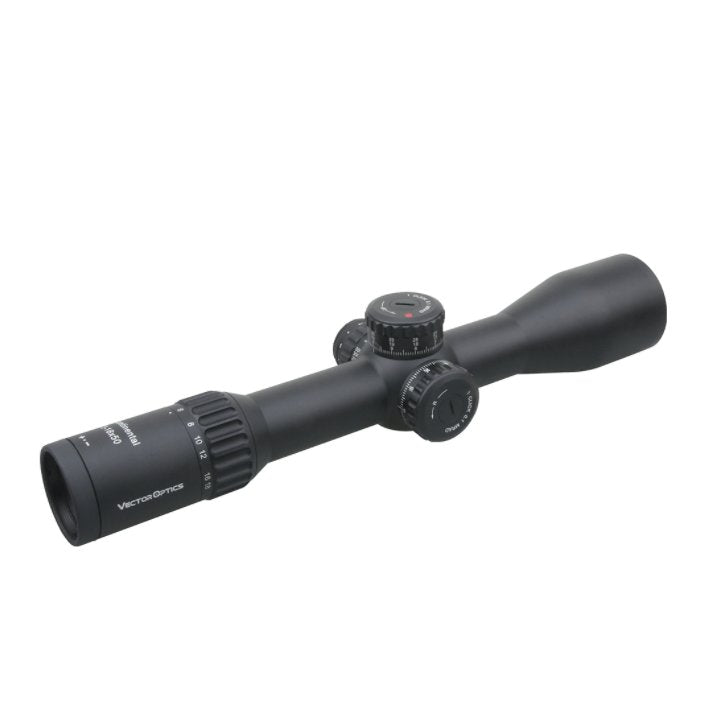
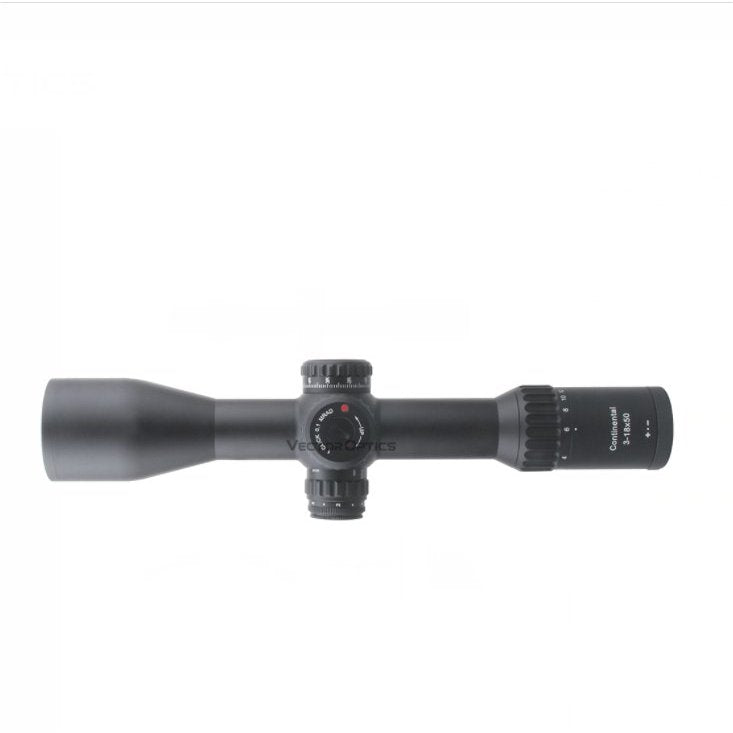
VECTOR CONTINENTAL 3-18X50 34MM TACTICAL FFP 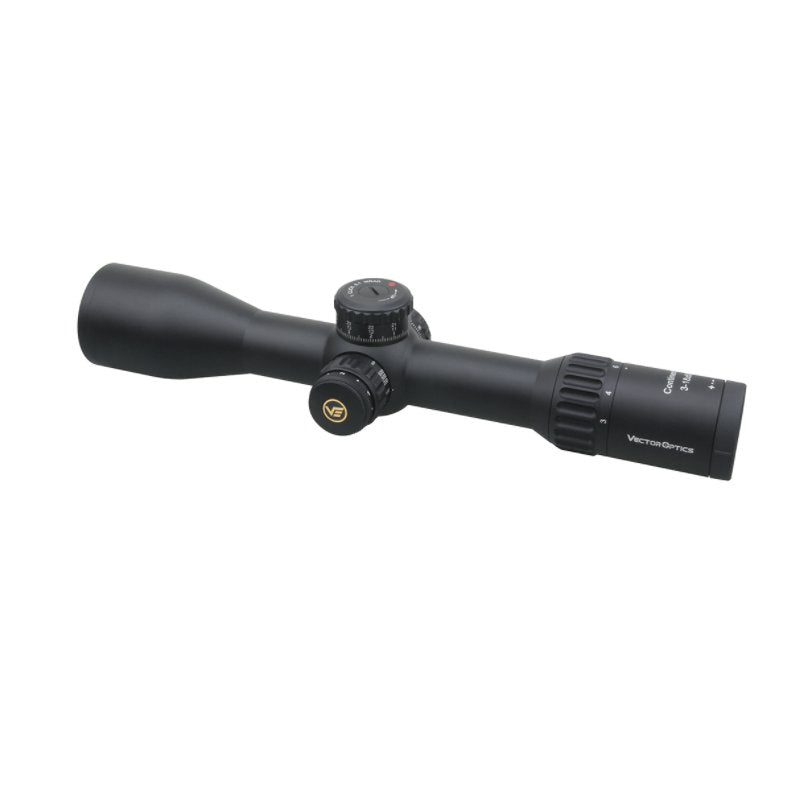
VECTOR CONTINENTAL 3-18X50 34MM TACTICAL FFP
VECTOR CONTINENTAL 3-18X50 34MM TACTICAL FFP
6.598 DKKSale price 6.598 DKK Regular price






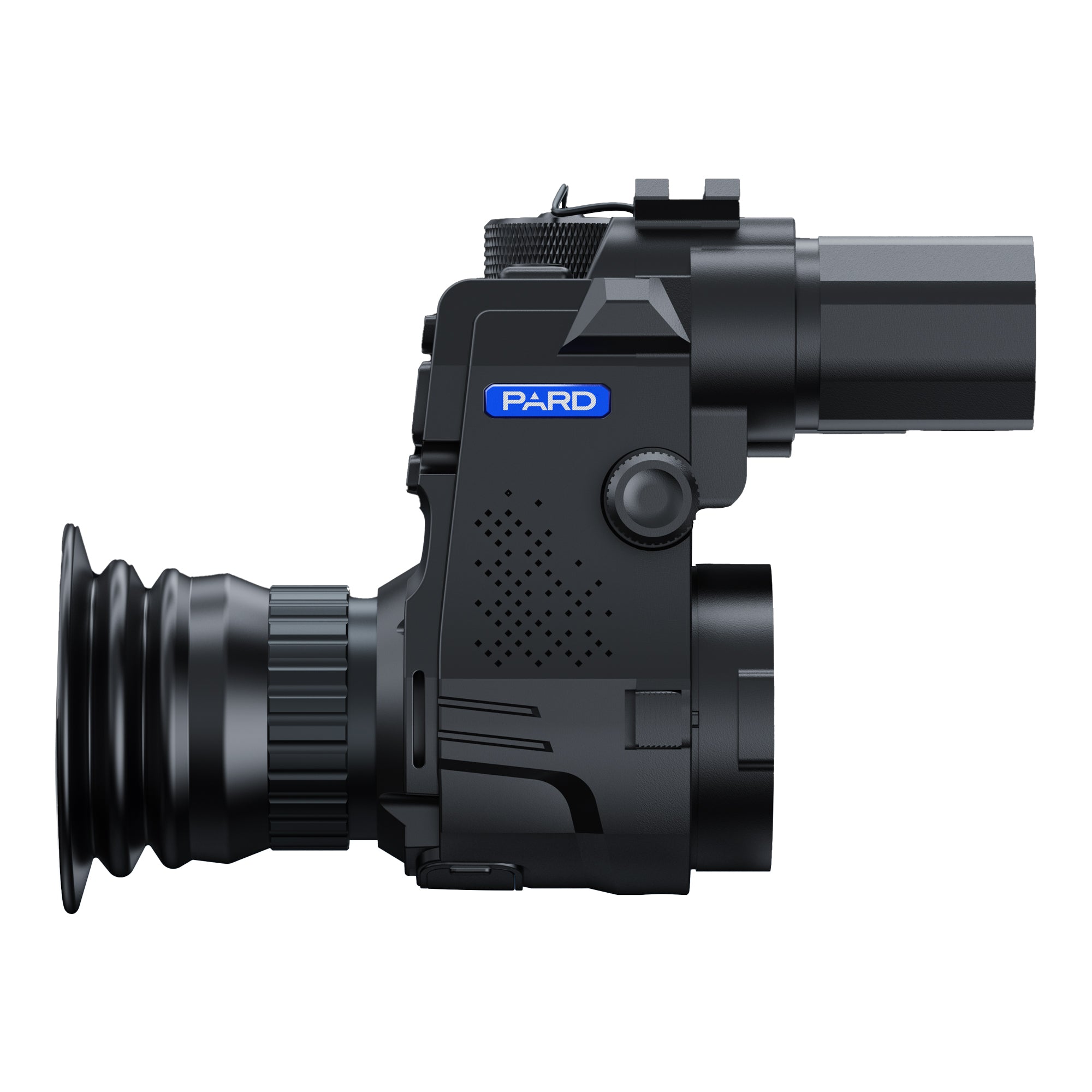
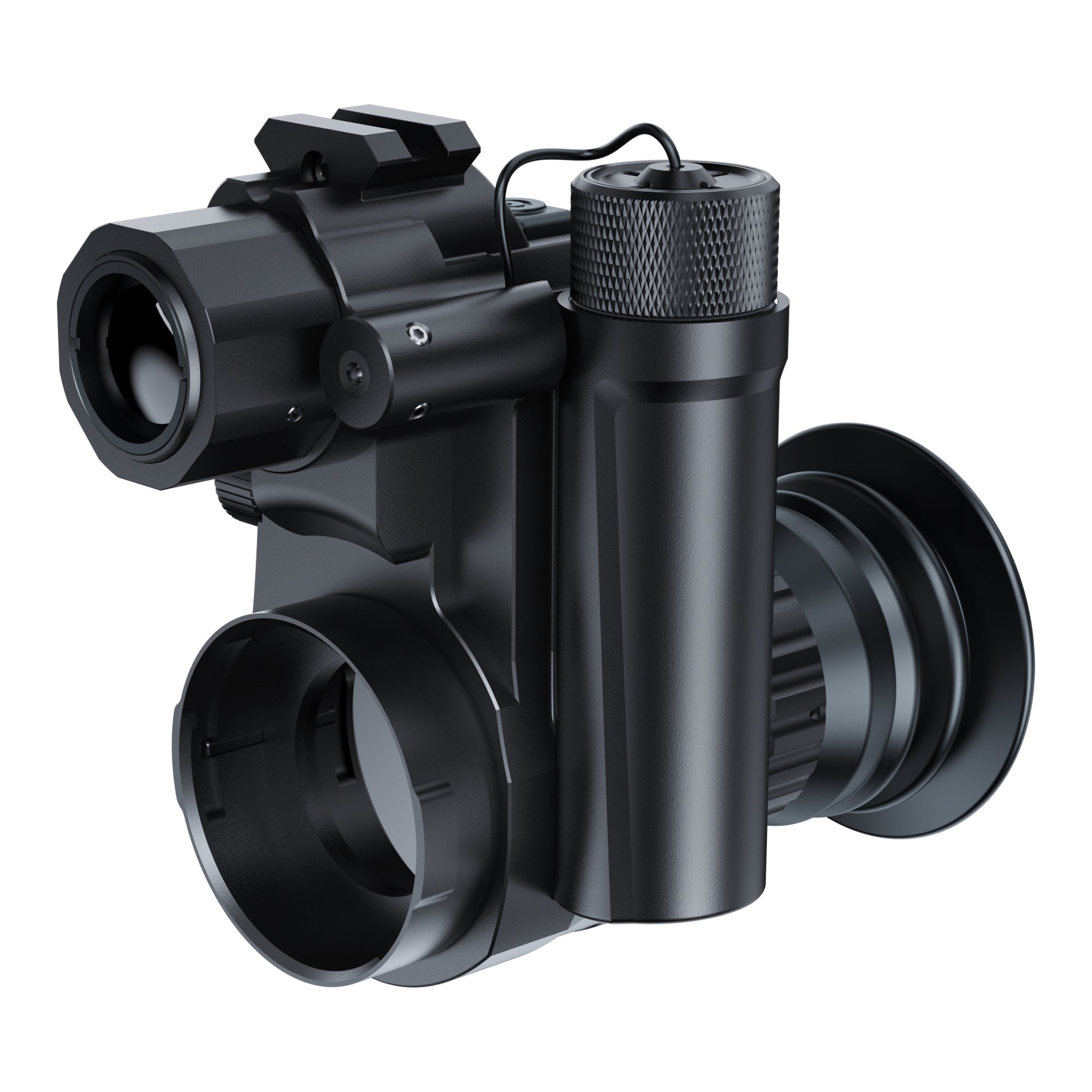
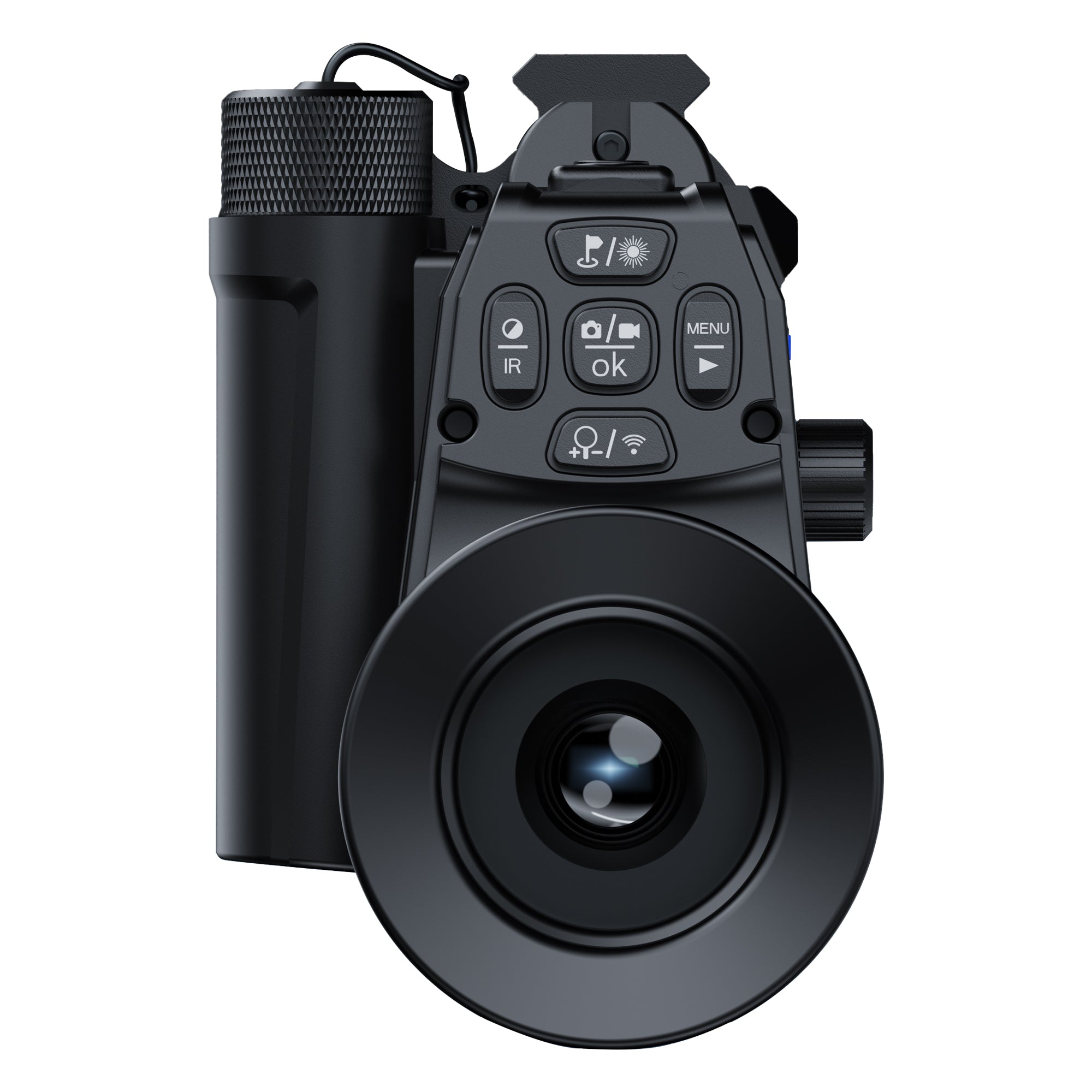
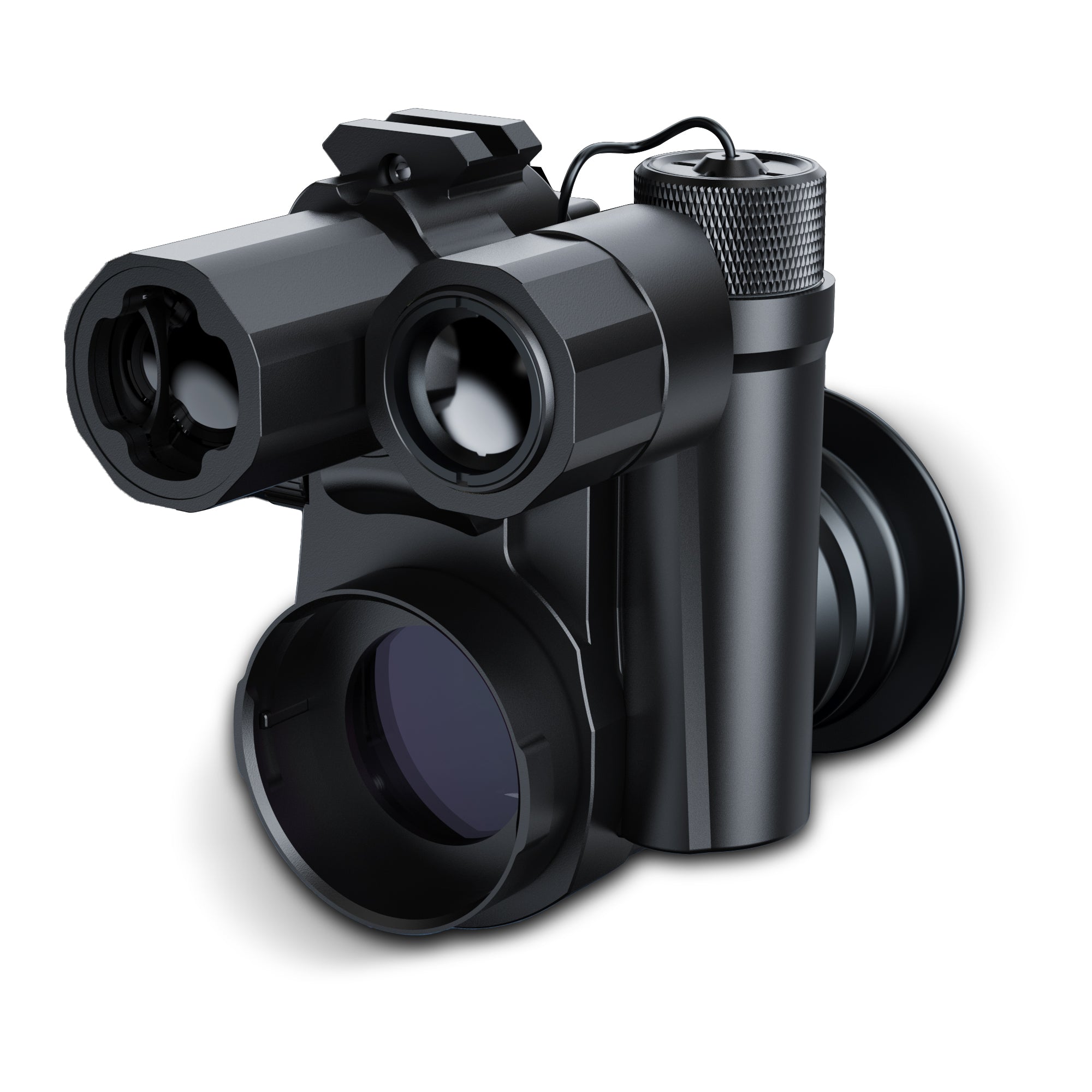
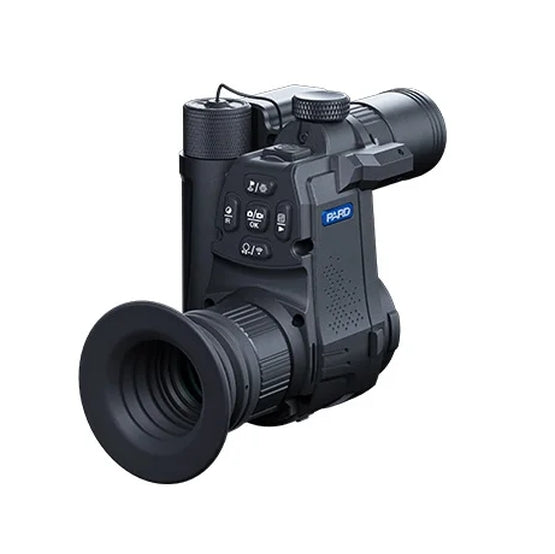
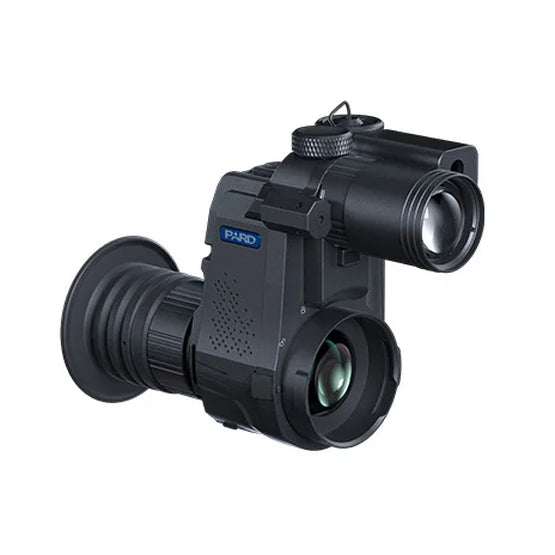
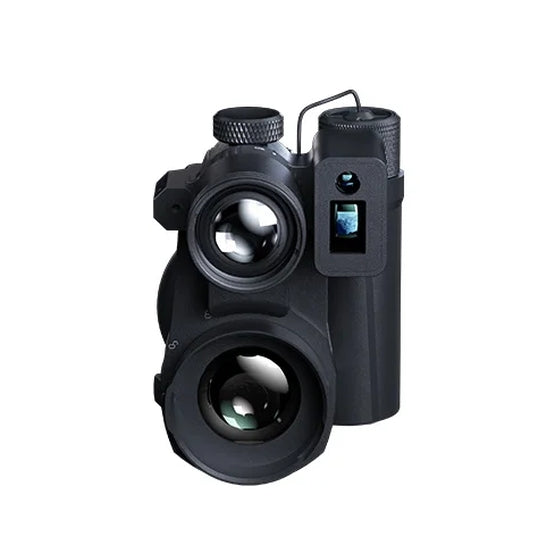
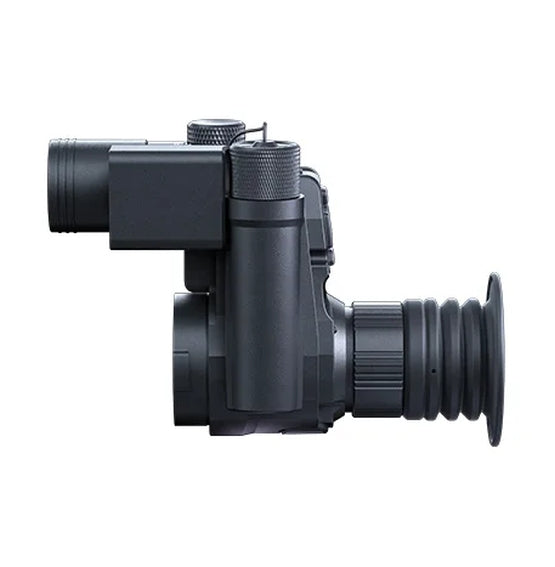
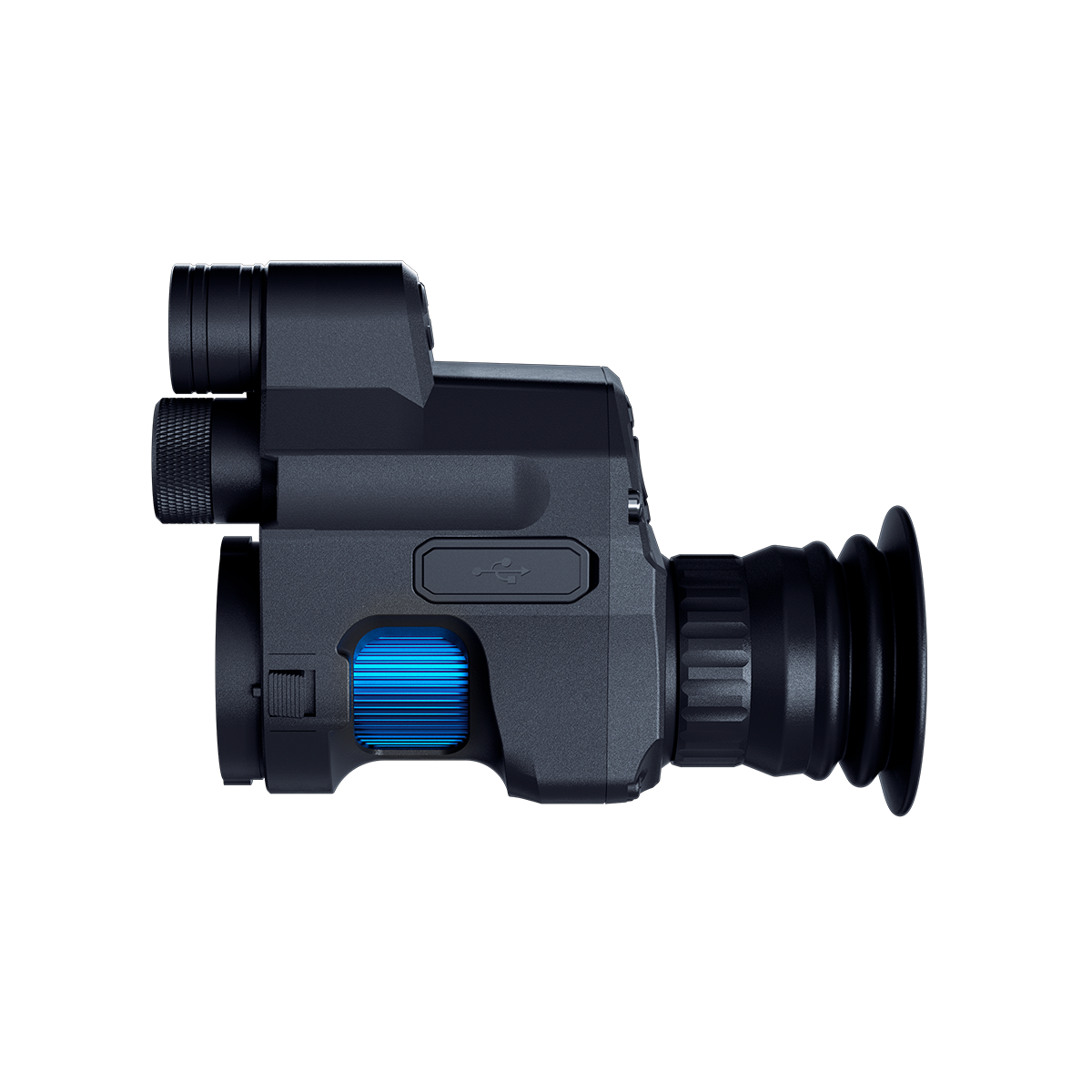
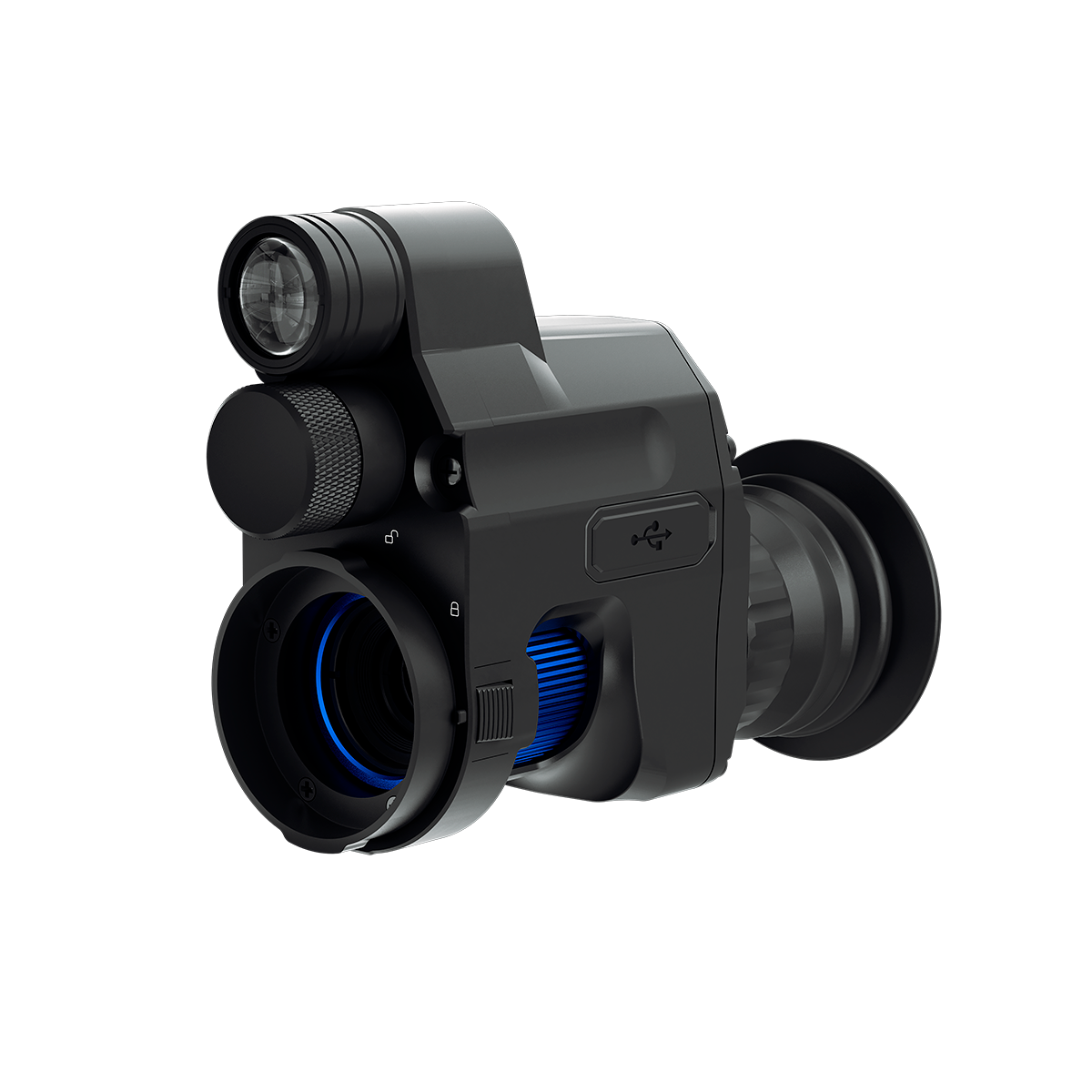
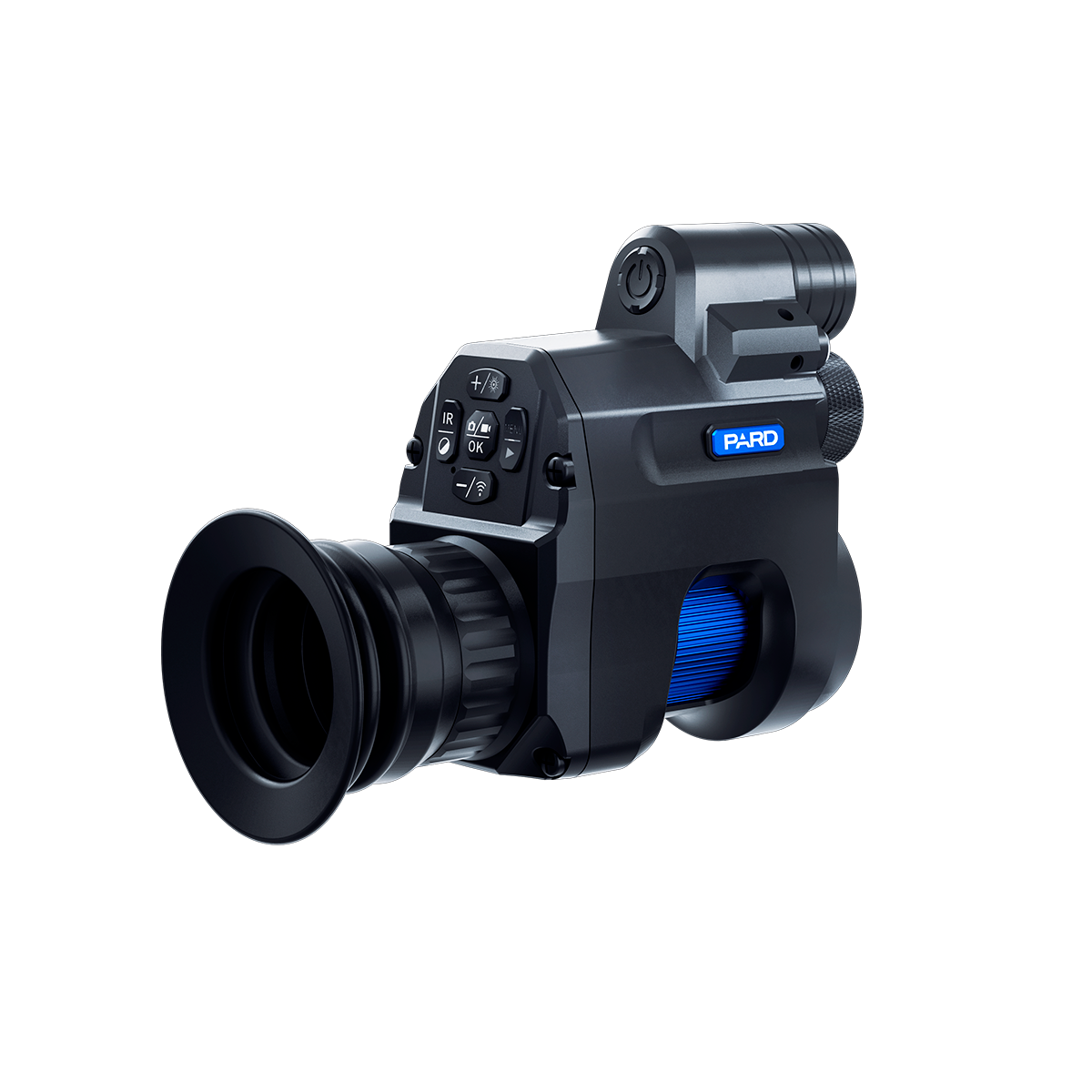
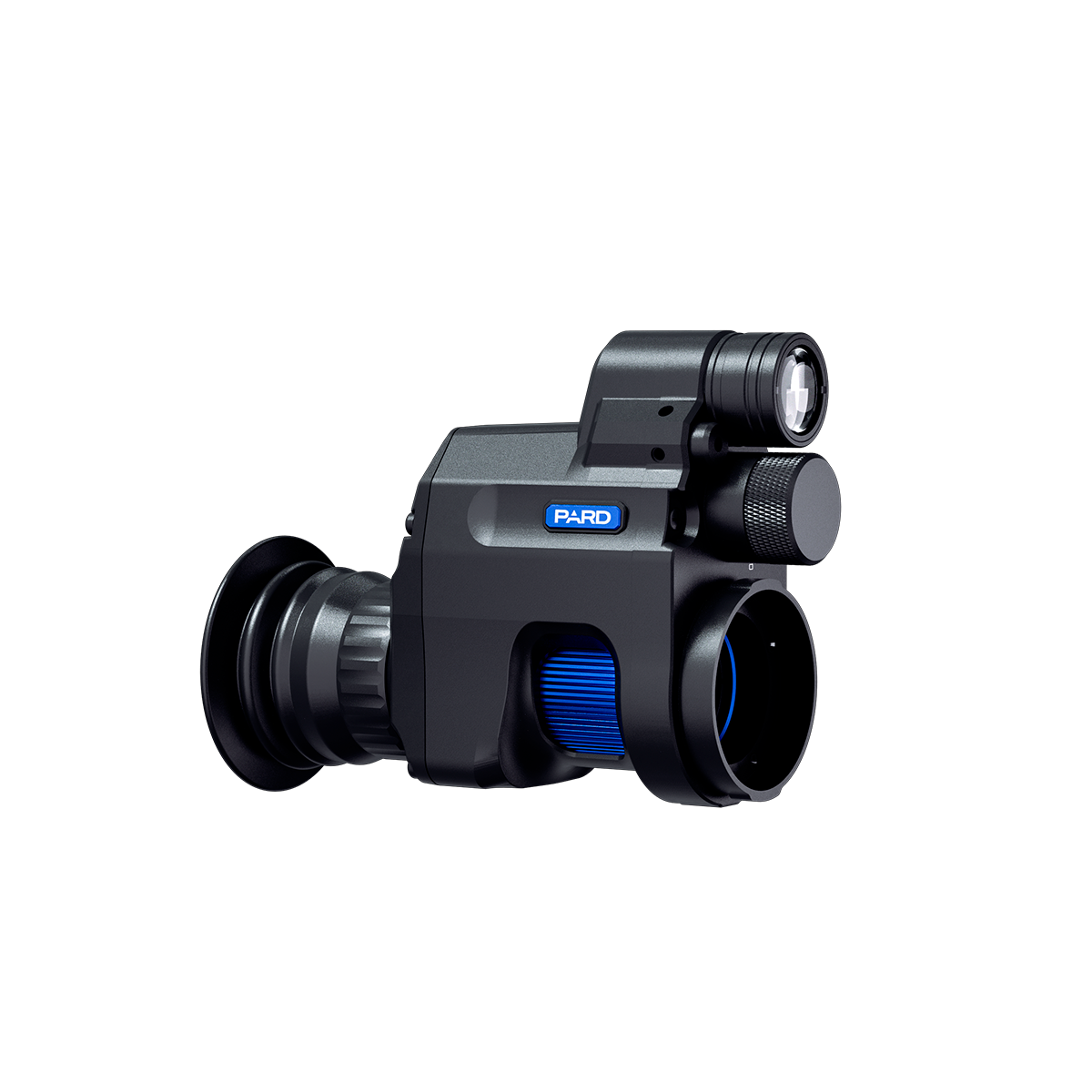


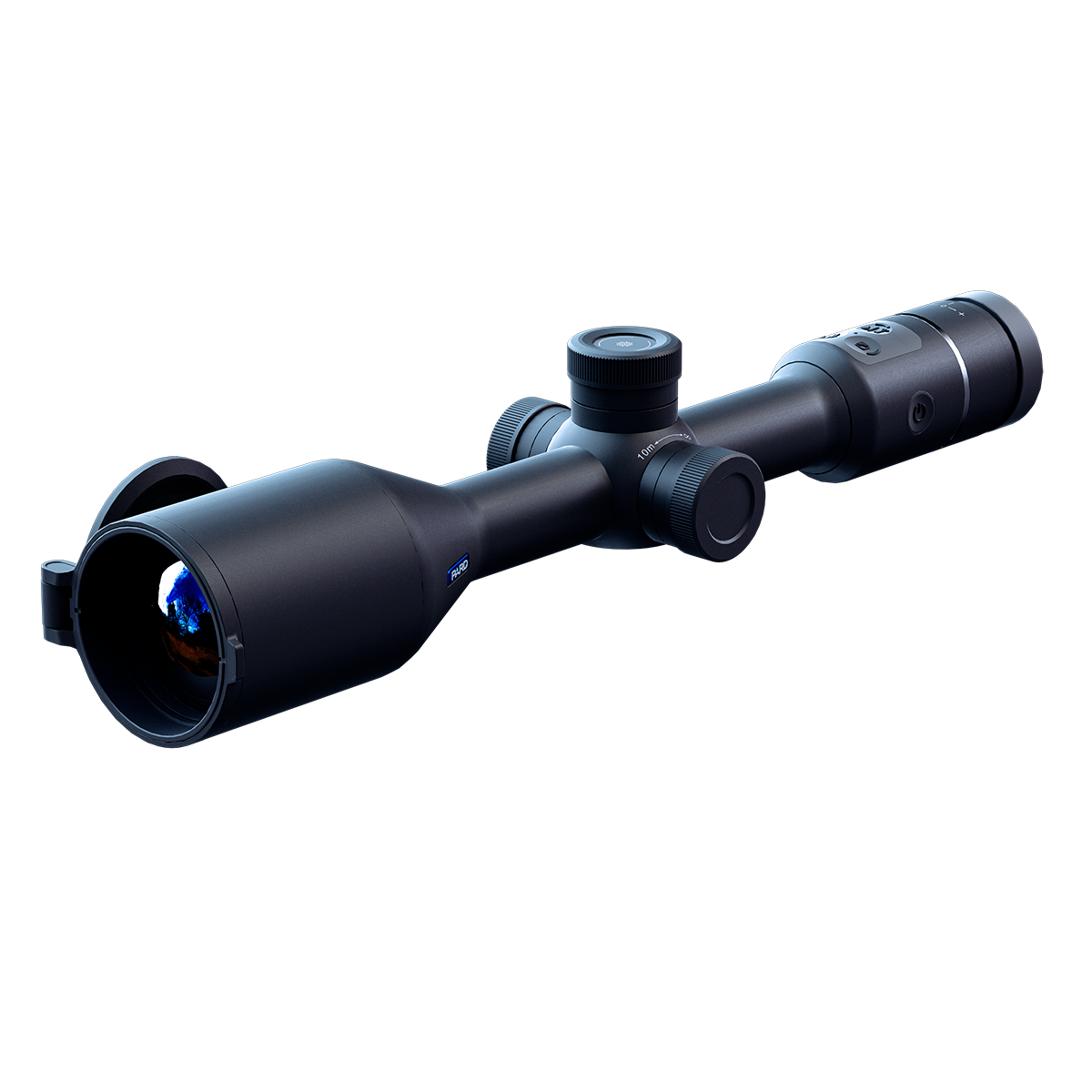

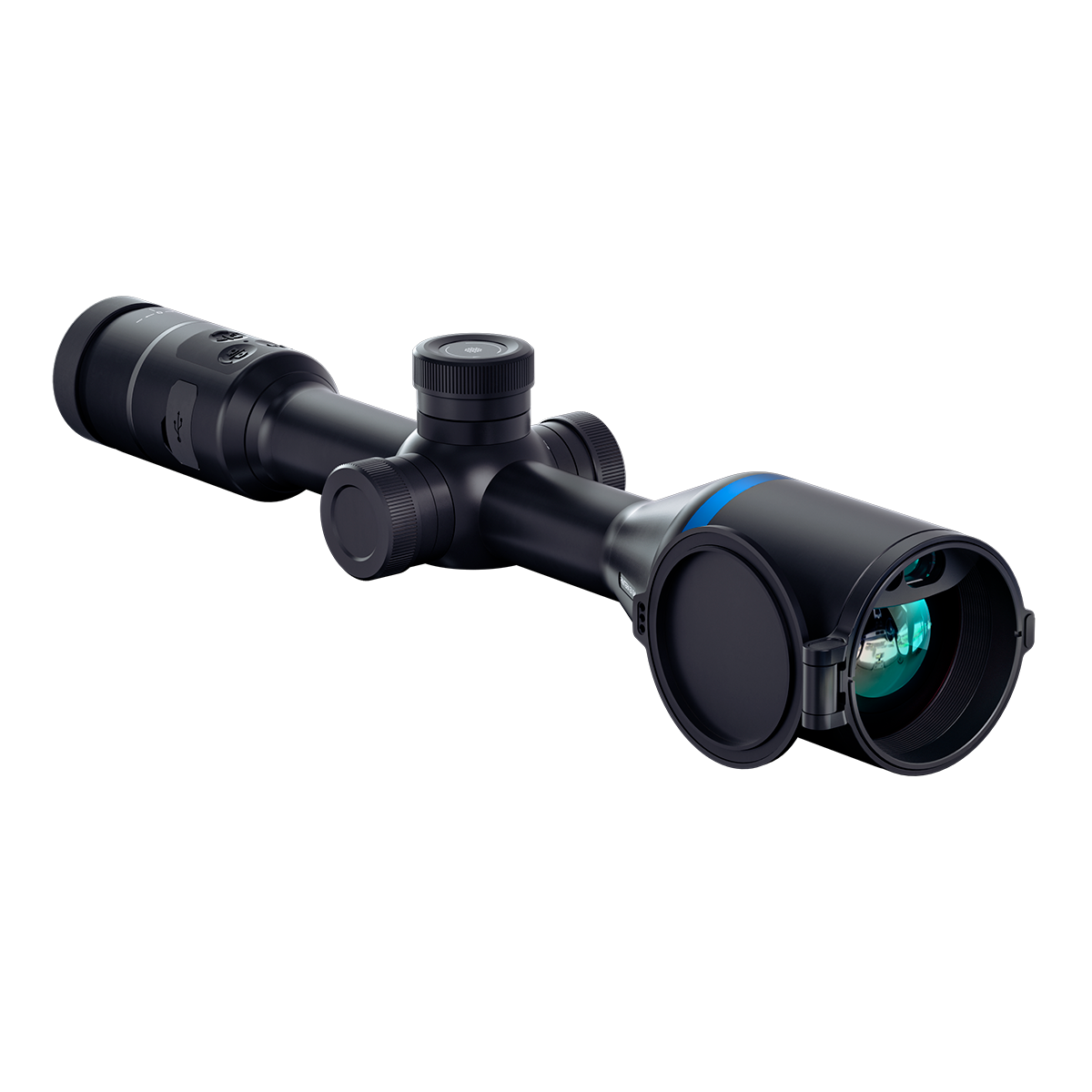
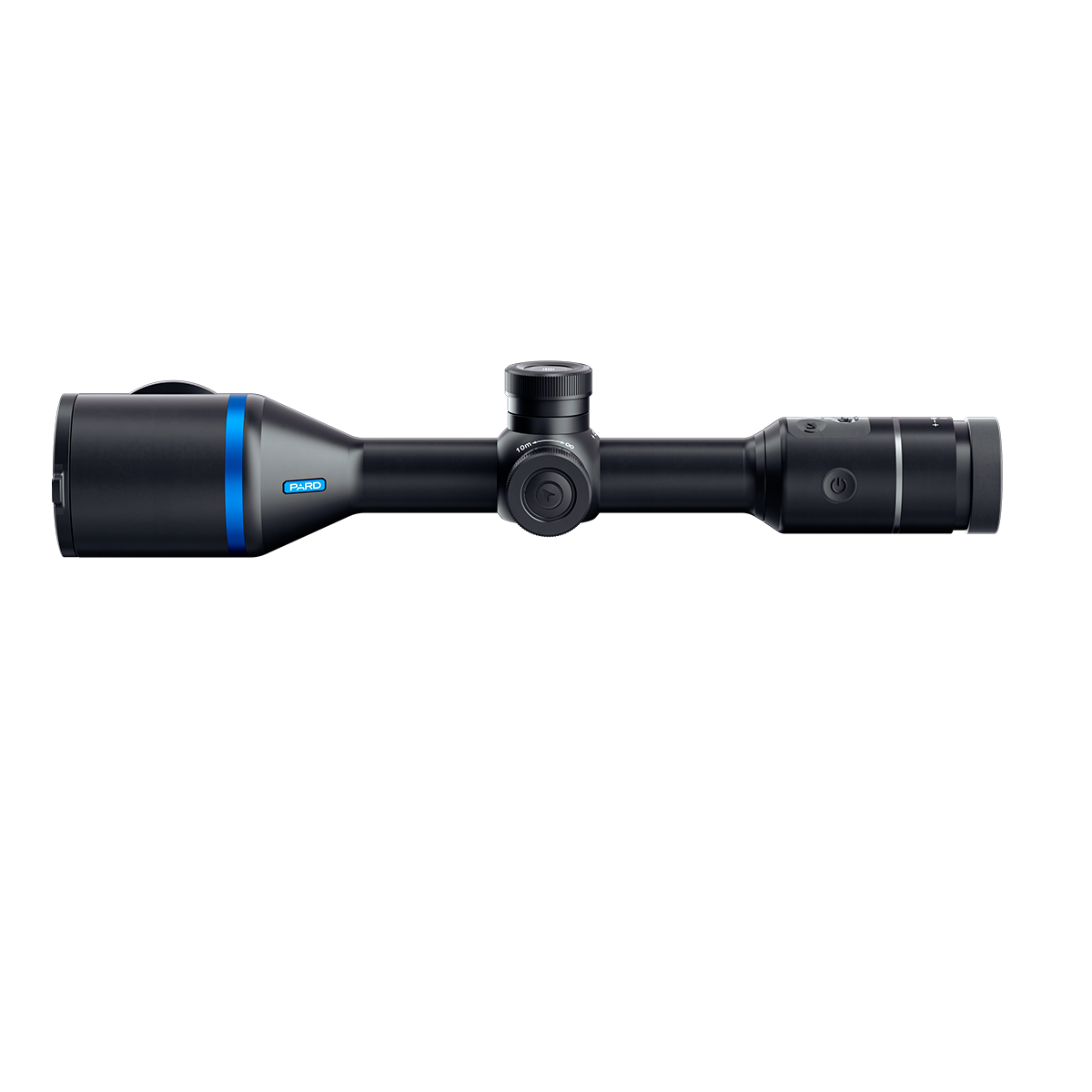
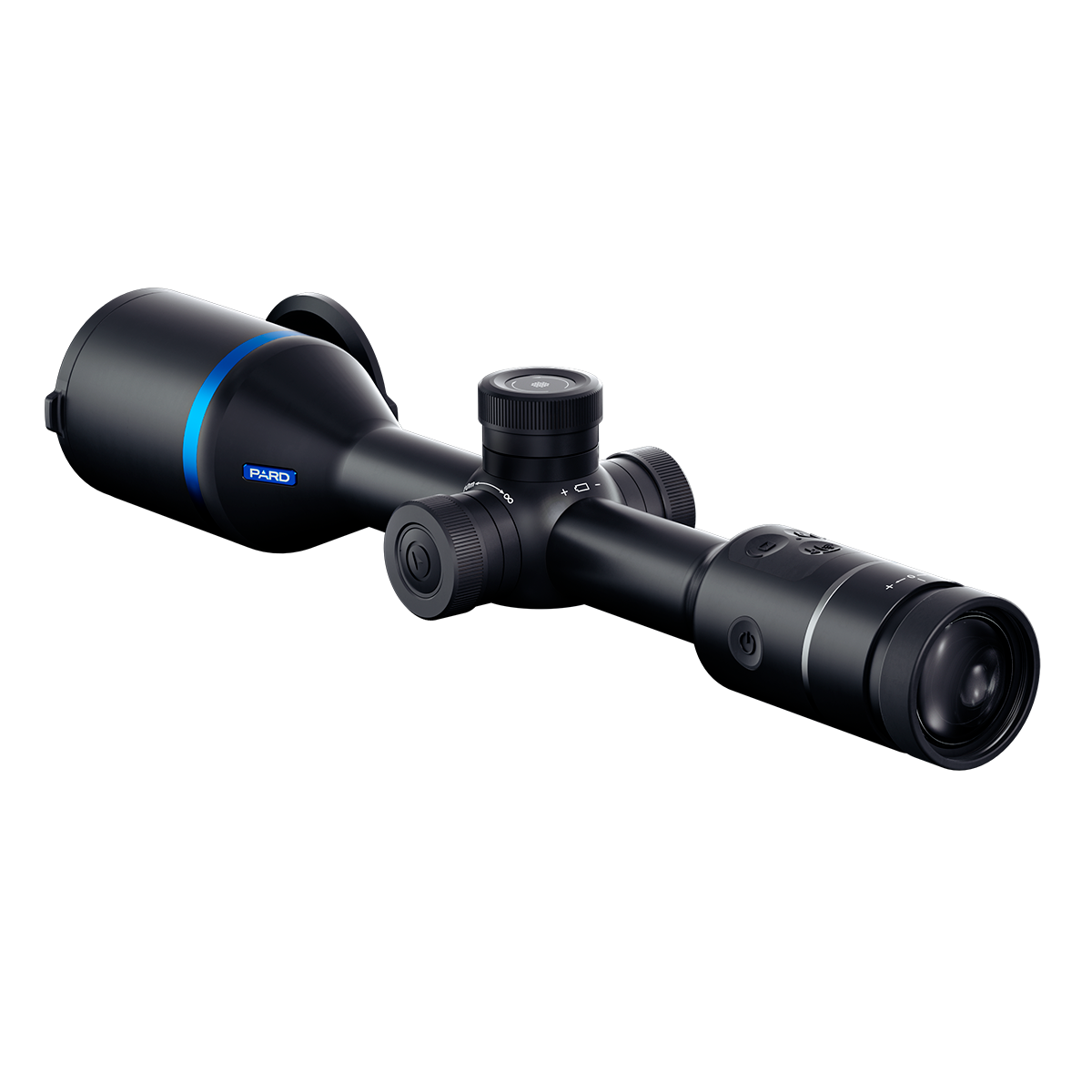


Other categories
Muffler
Muffler
thermal &
night vision sight
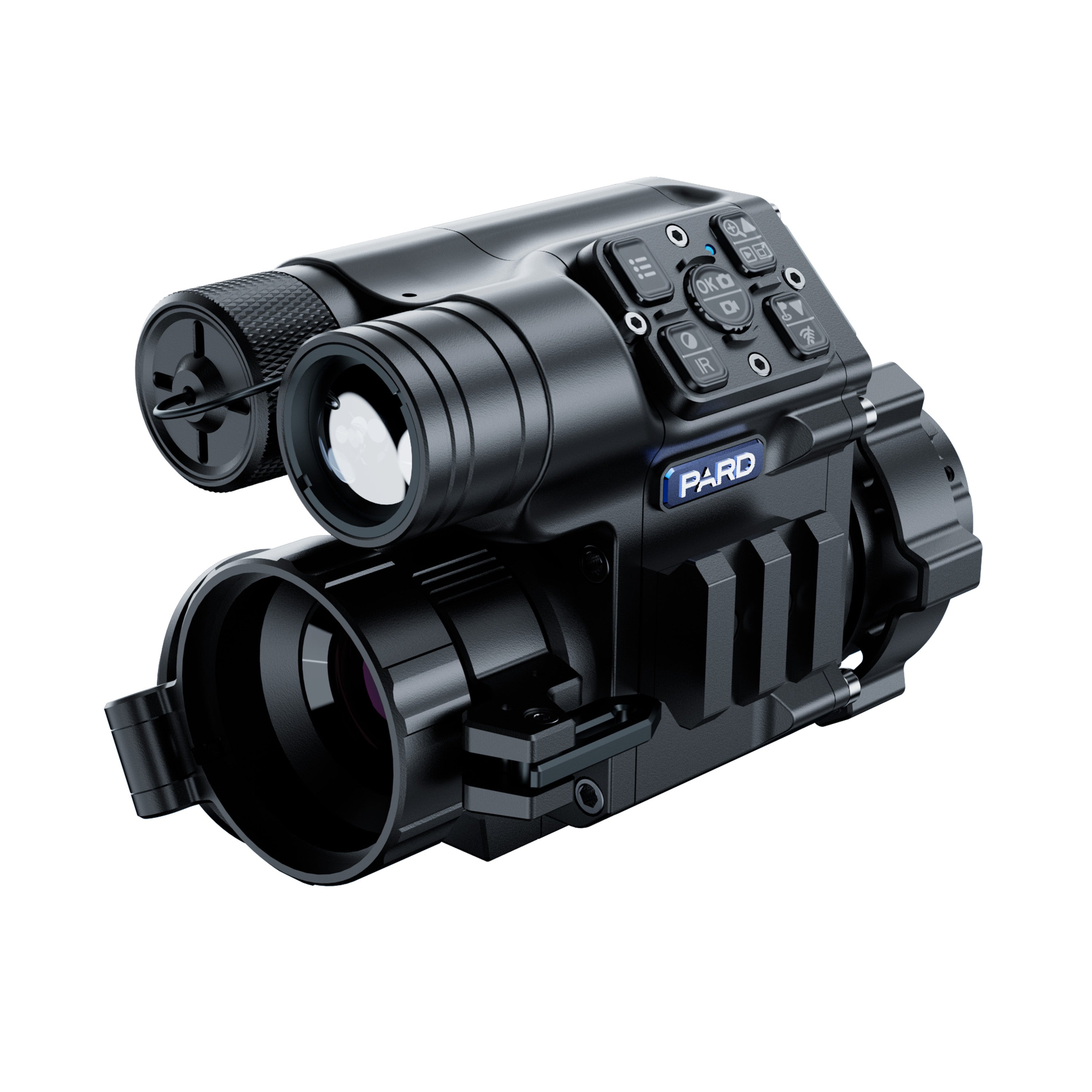
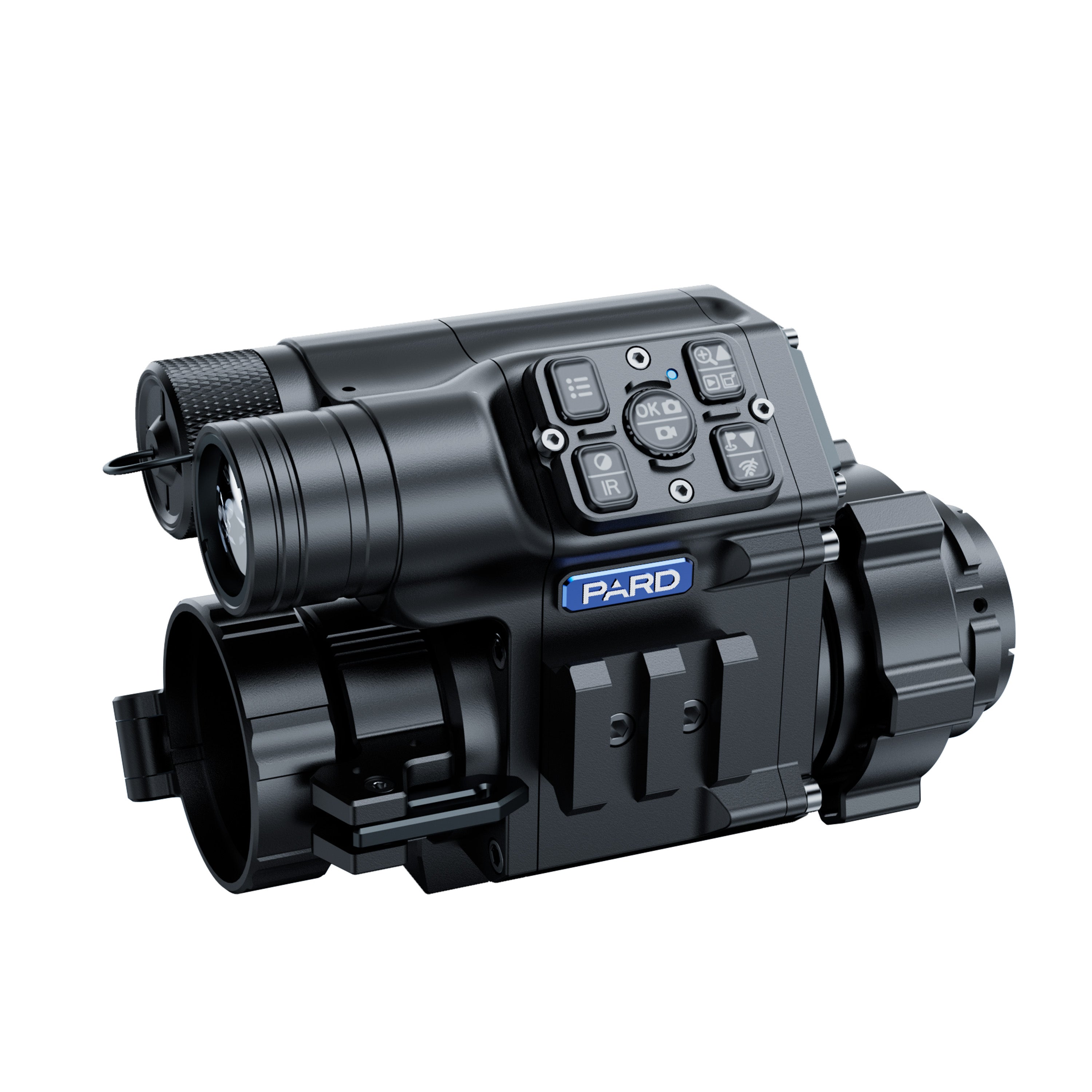
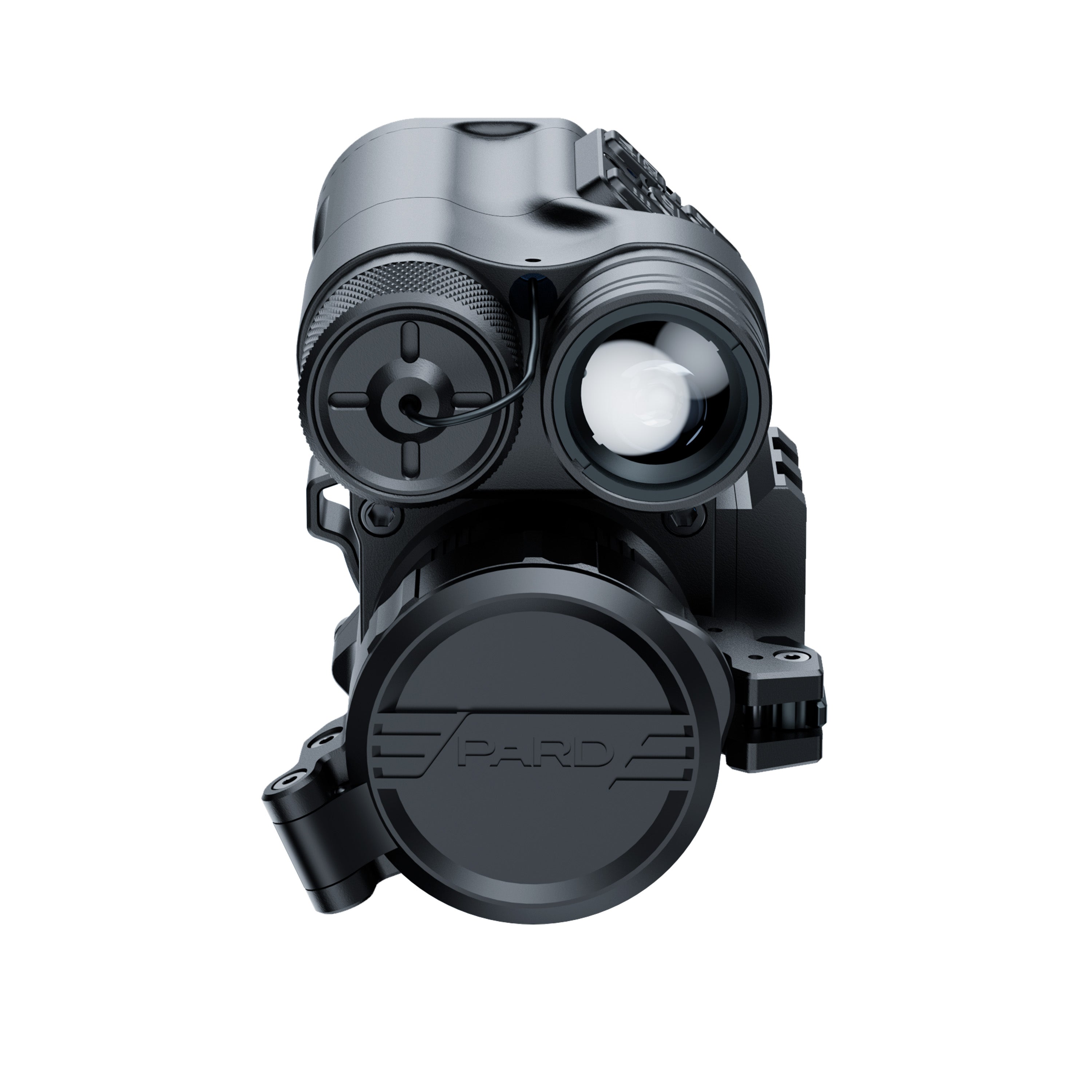
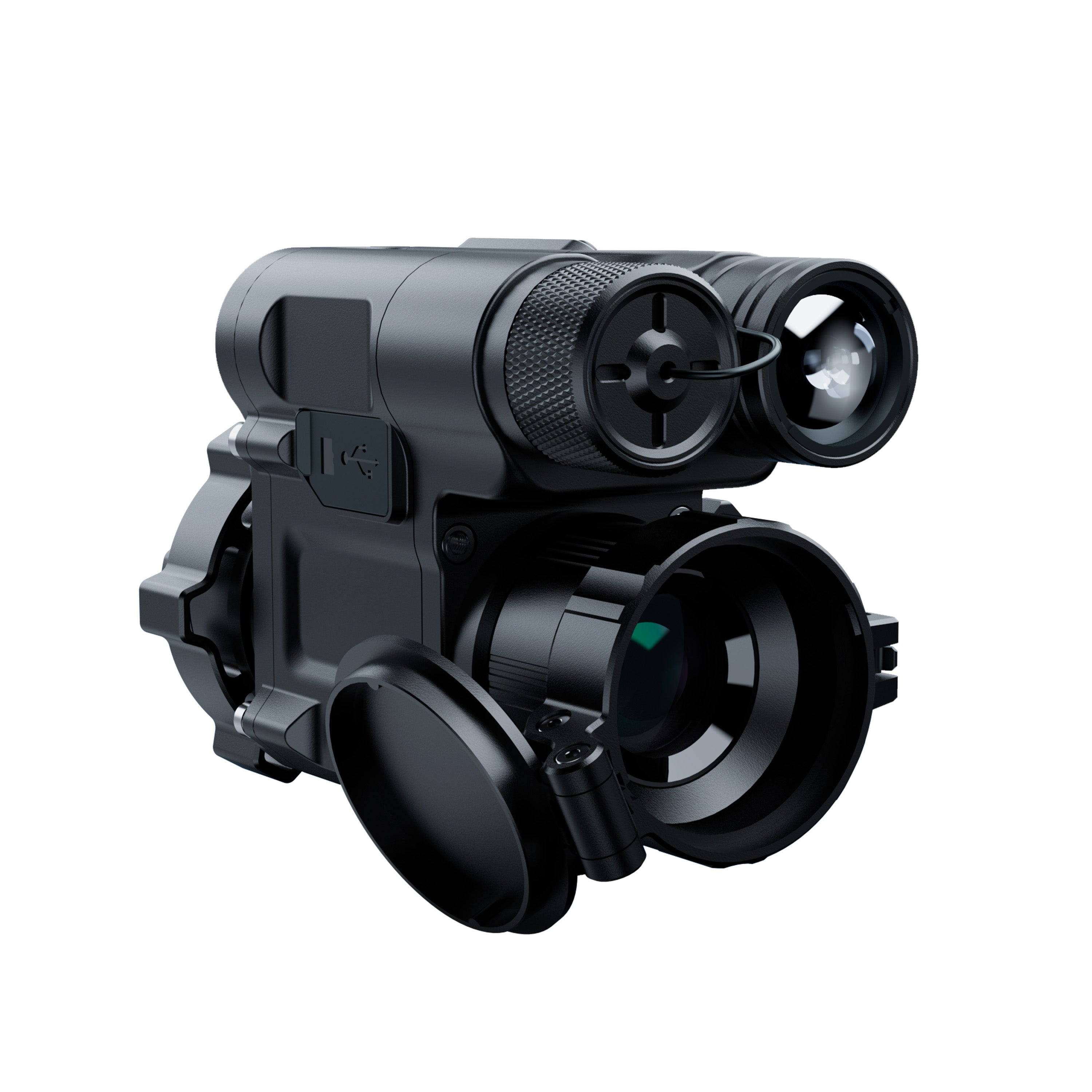
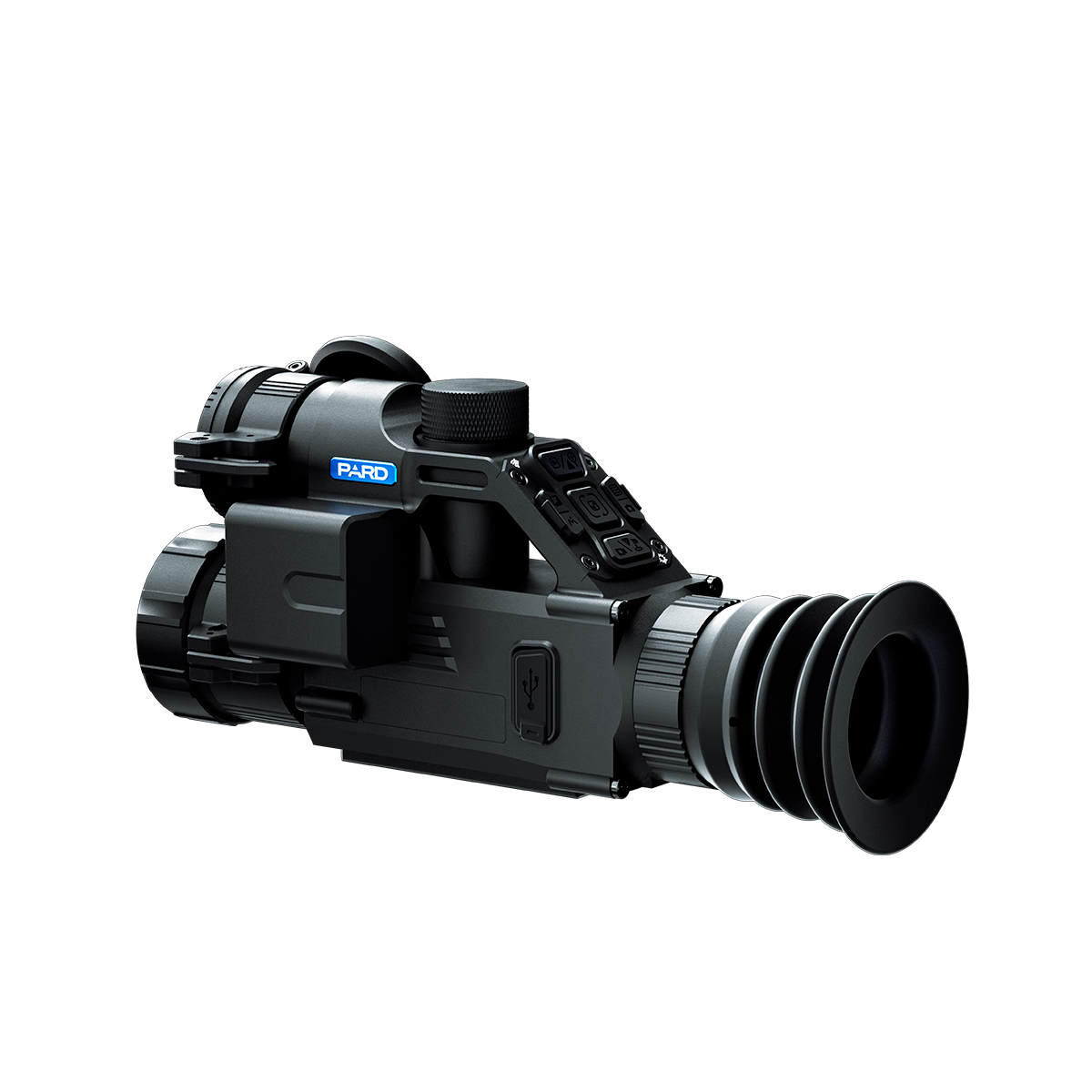
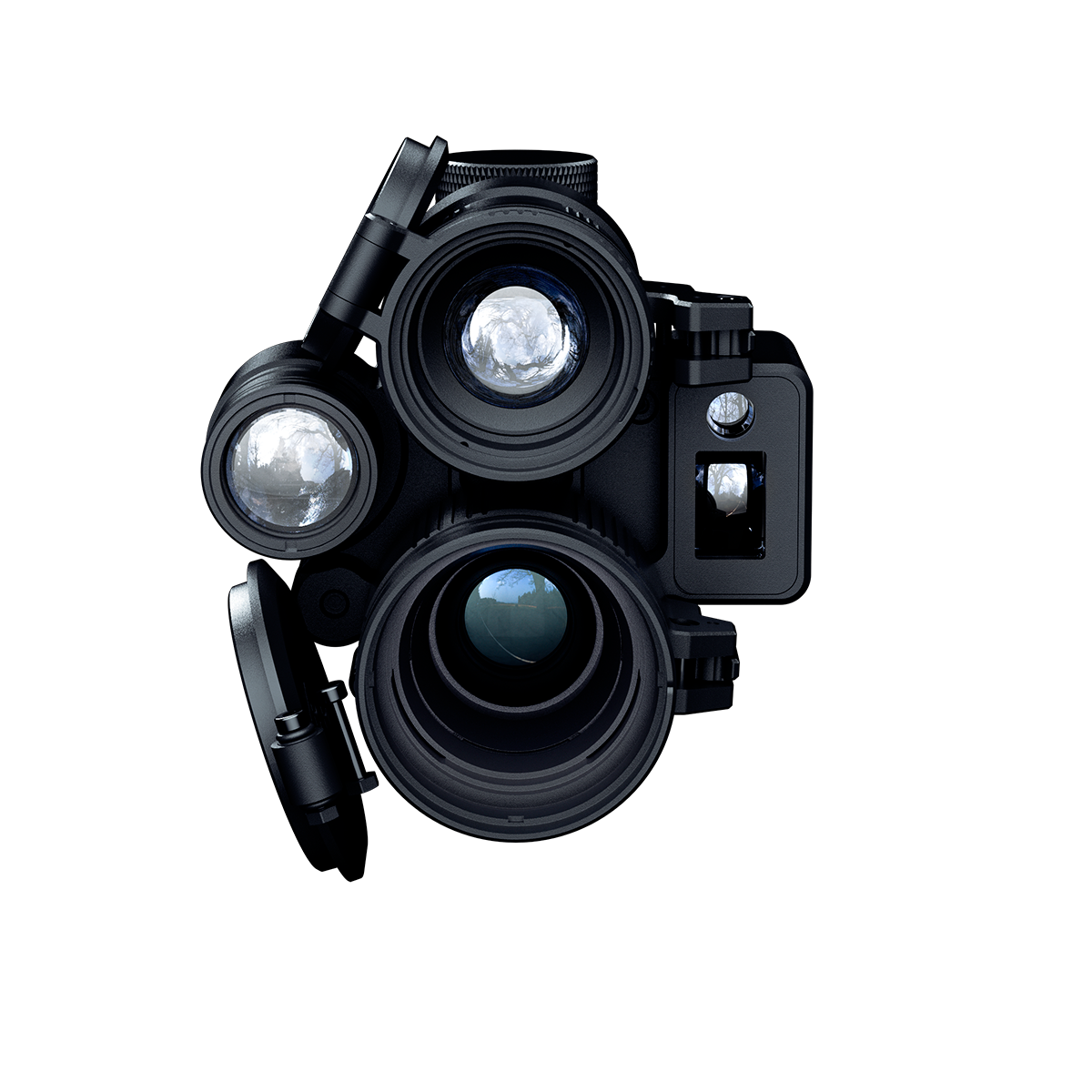
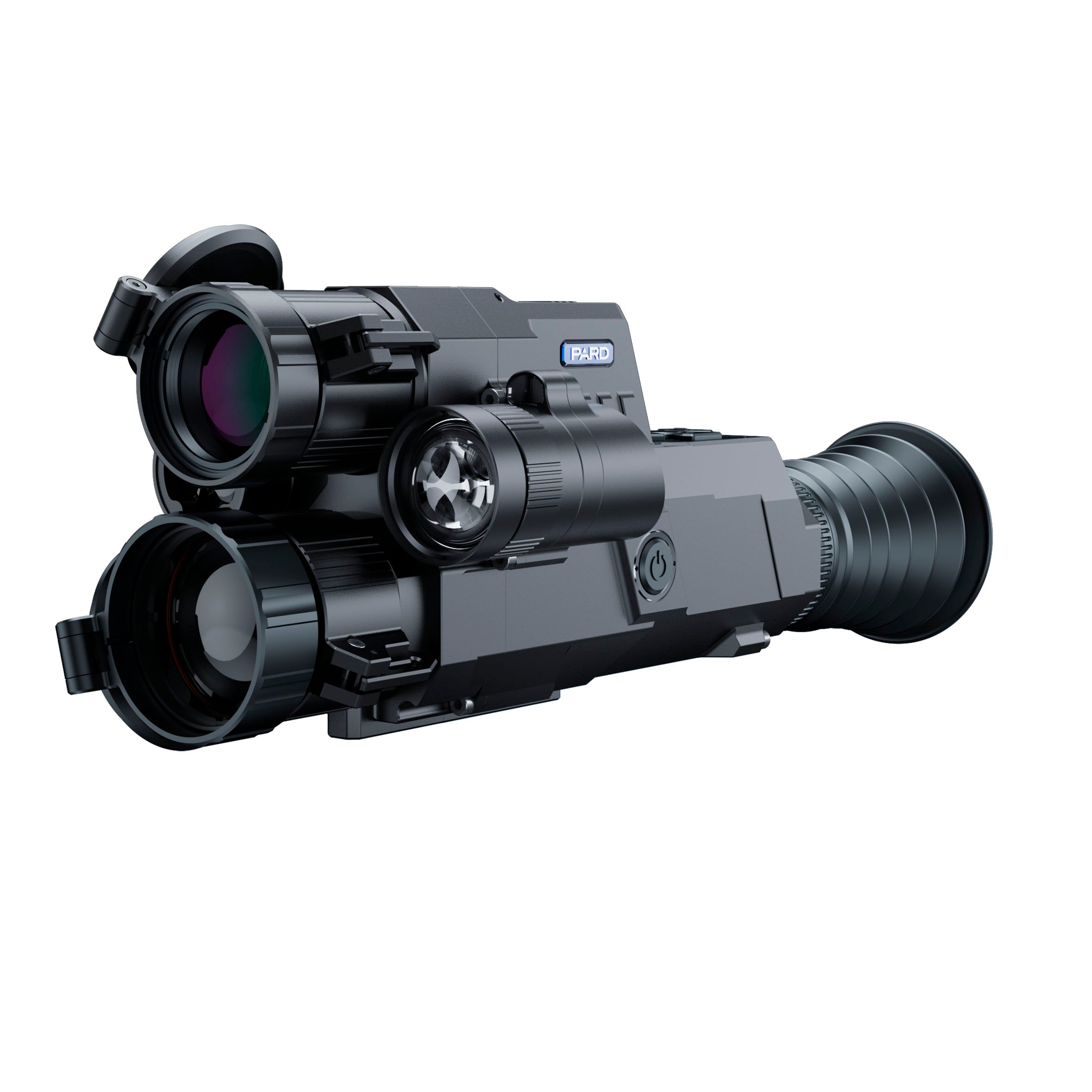
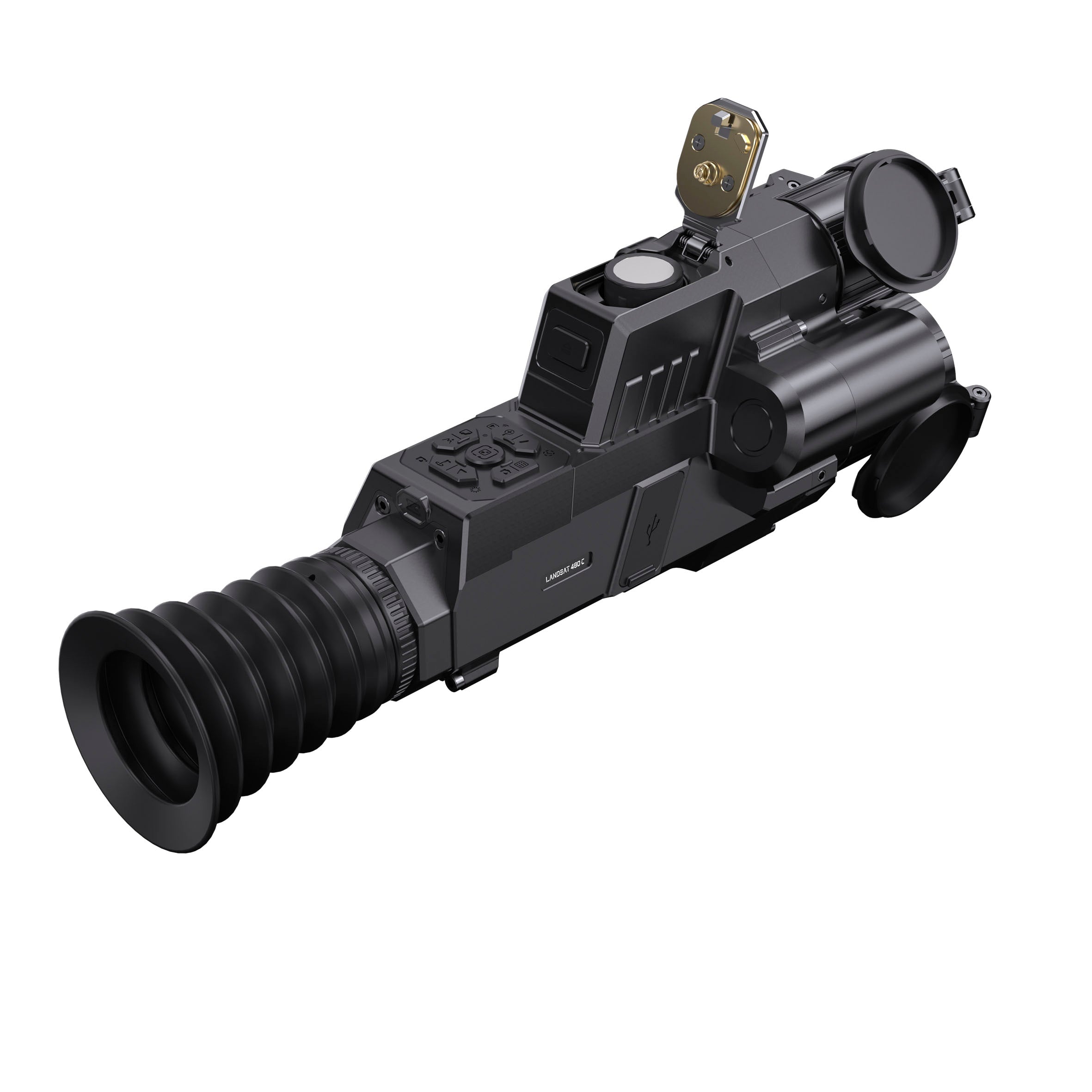
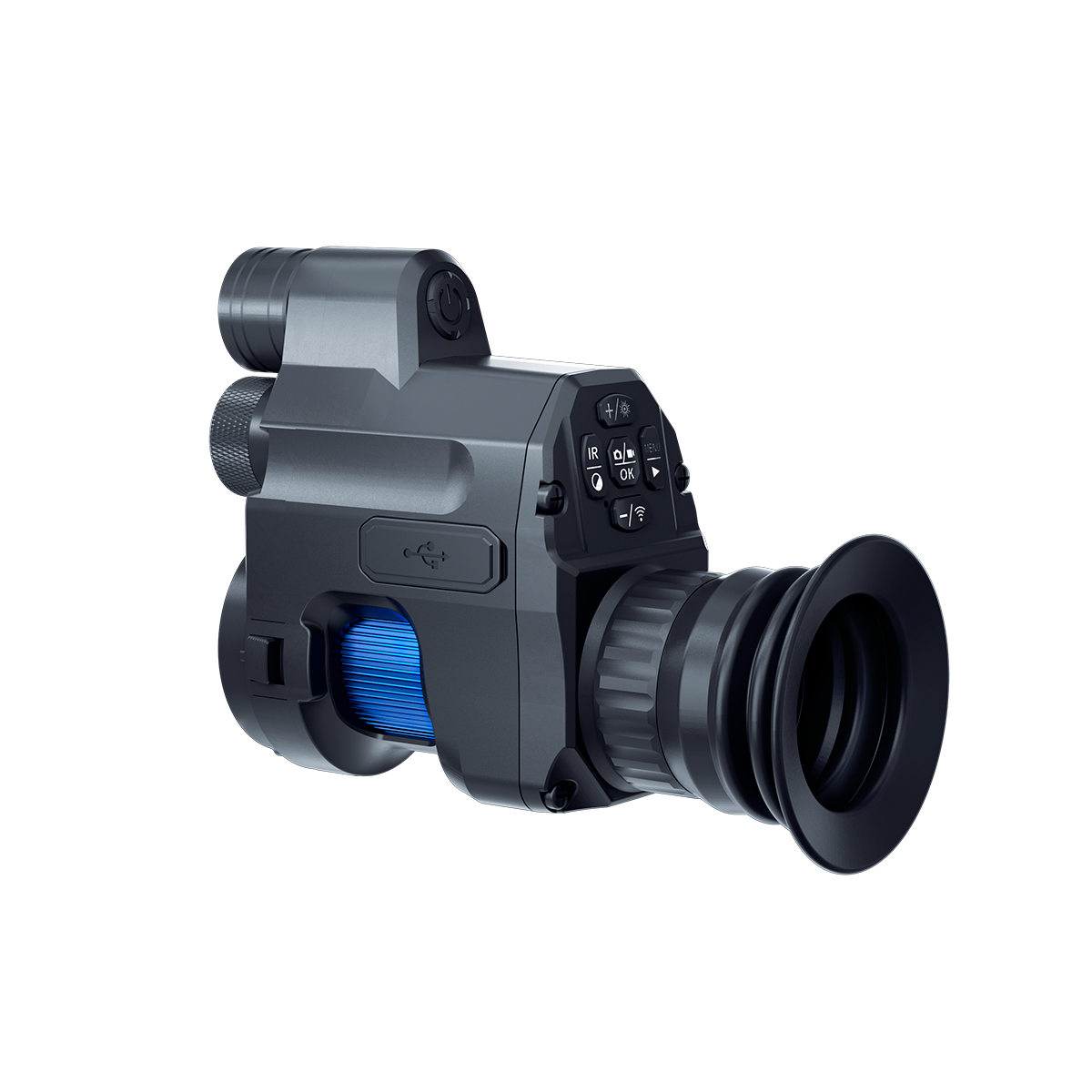
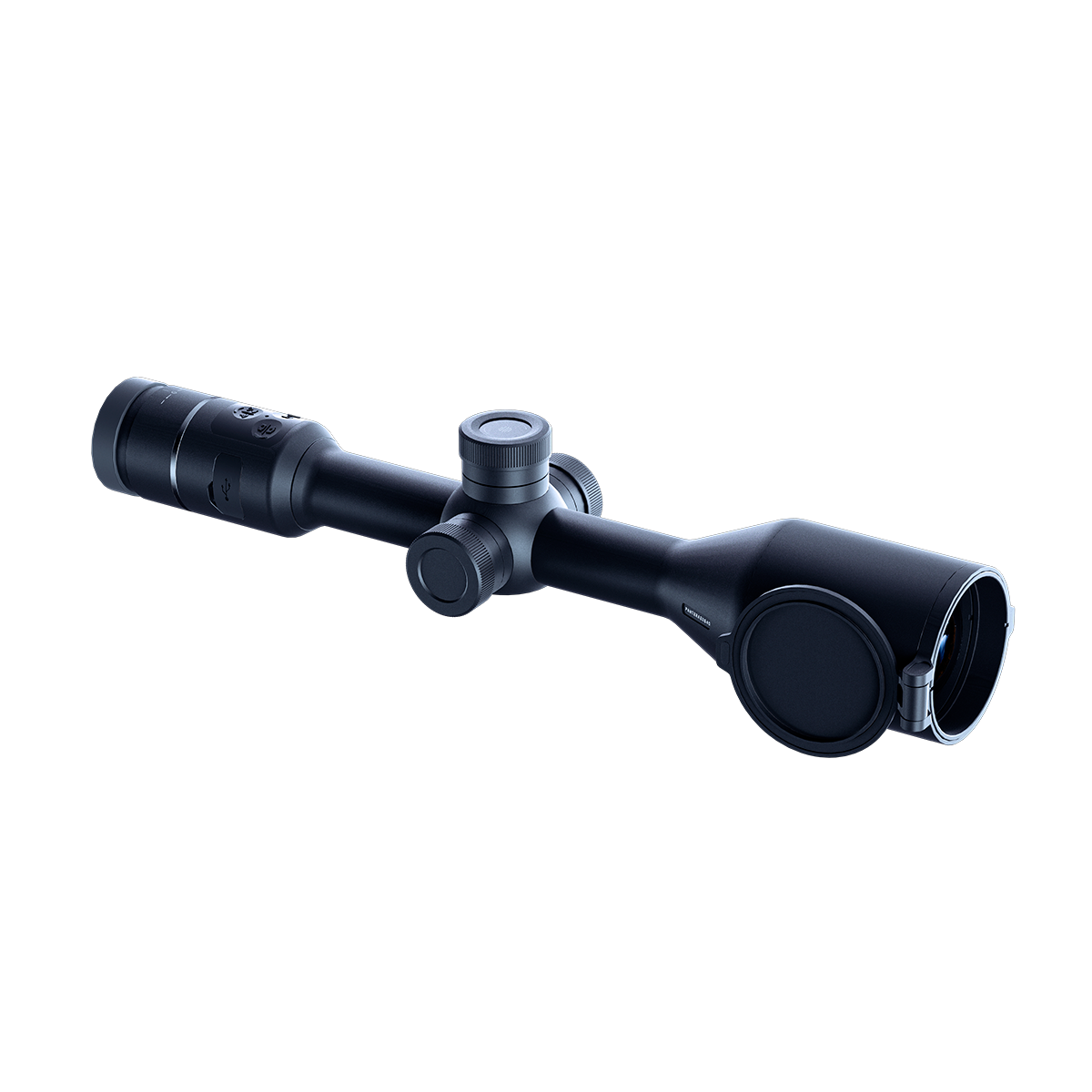
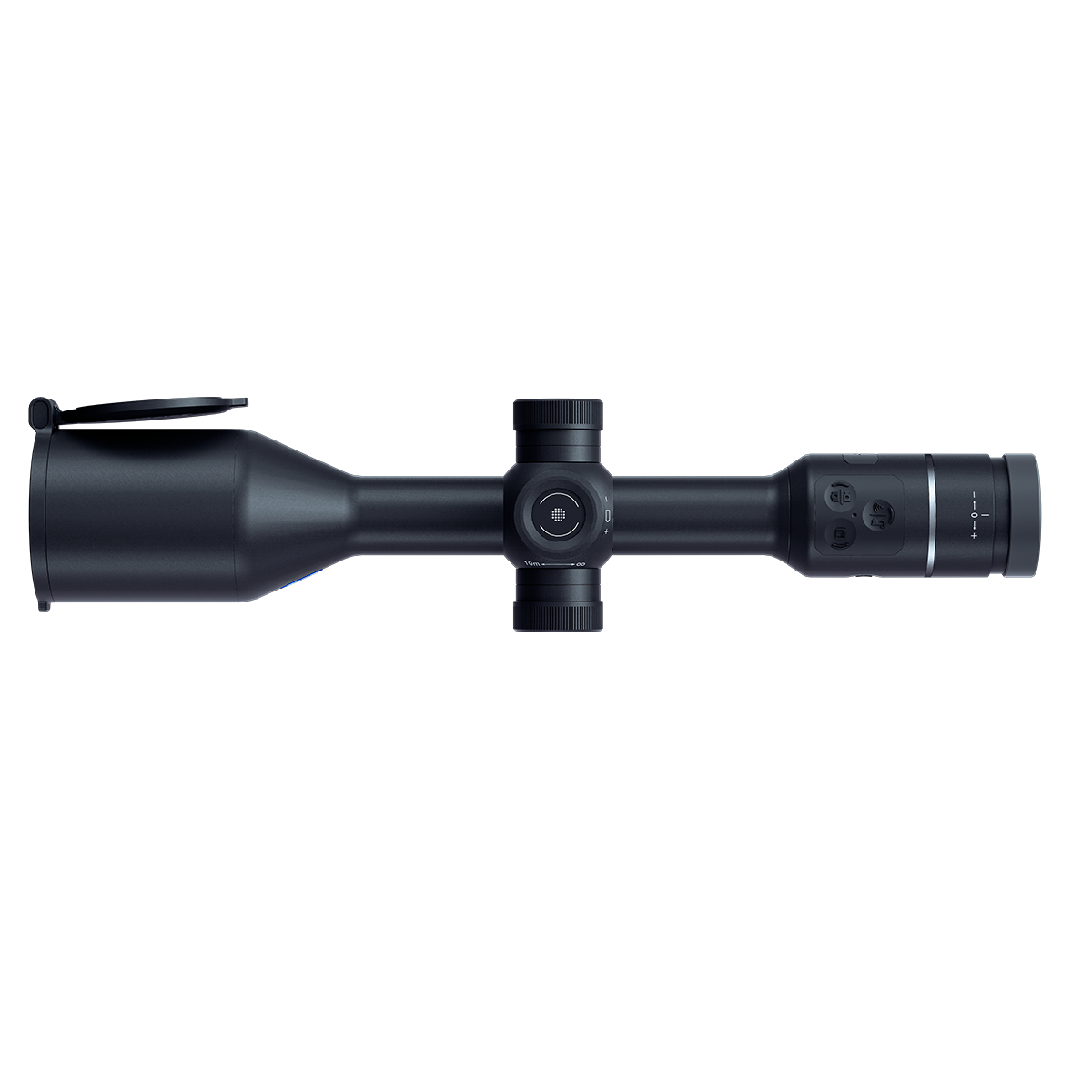
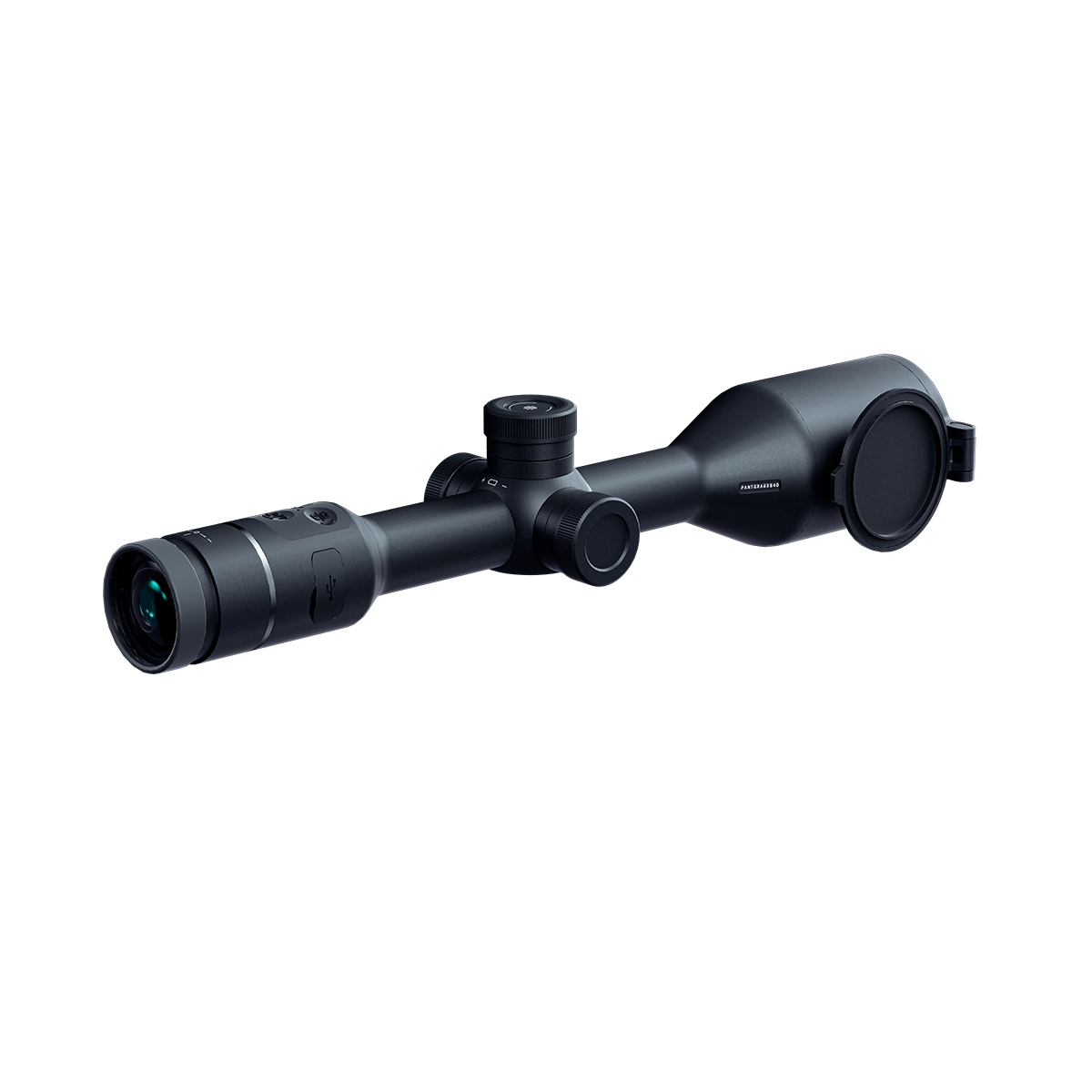
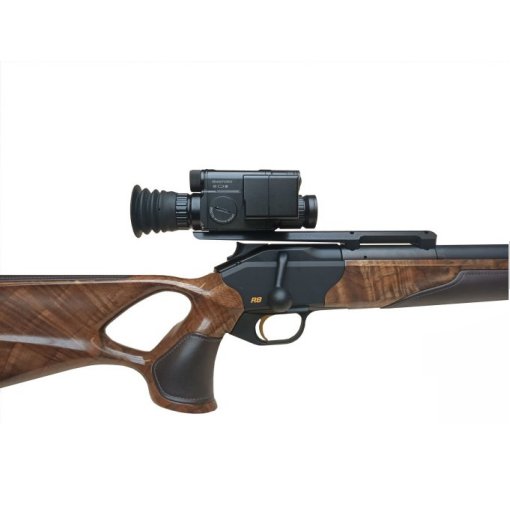
Thermal and night vision sights are both used for hunting and observing in the dark, but they are based on completely different technologies and provide different types of images. Thermal sights detect heat radiation from animals and objects, making heat sources clearly visible, whether in total darkness, fog or through vegetation. This allows you to quickly detect and locate game that would otherwise be hidden, and provides a clear overview of the terrain. Thermal units are available as both handheld spotters and riflescopes for mounting on weapons, and they operate independently of the ambient light level.
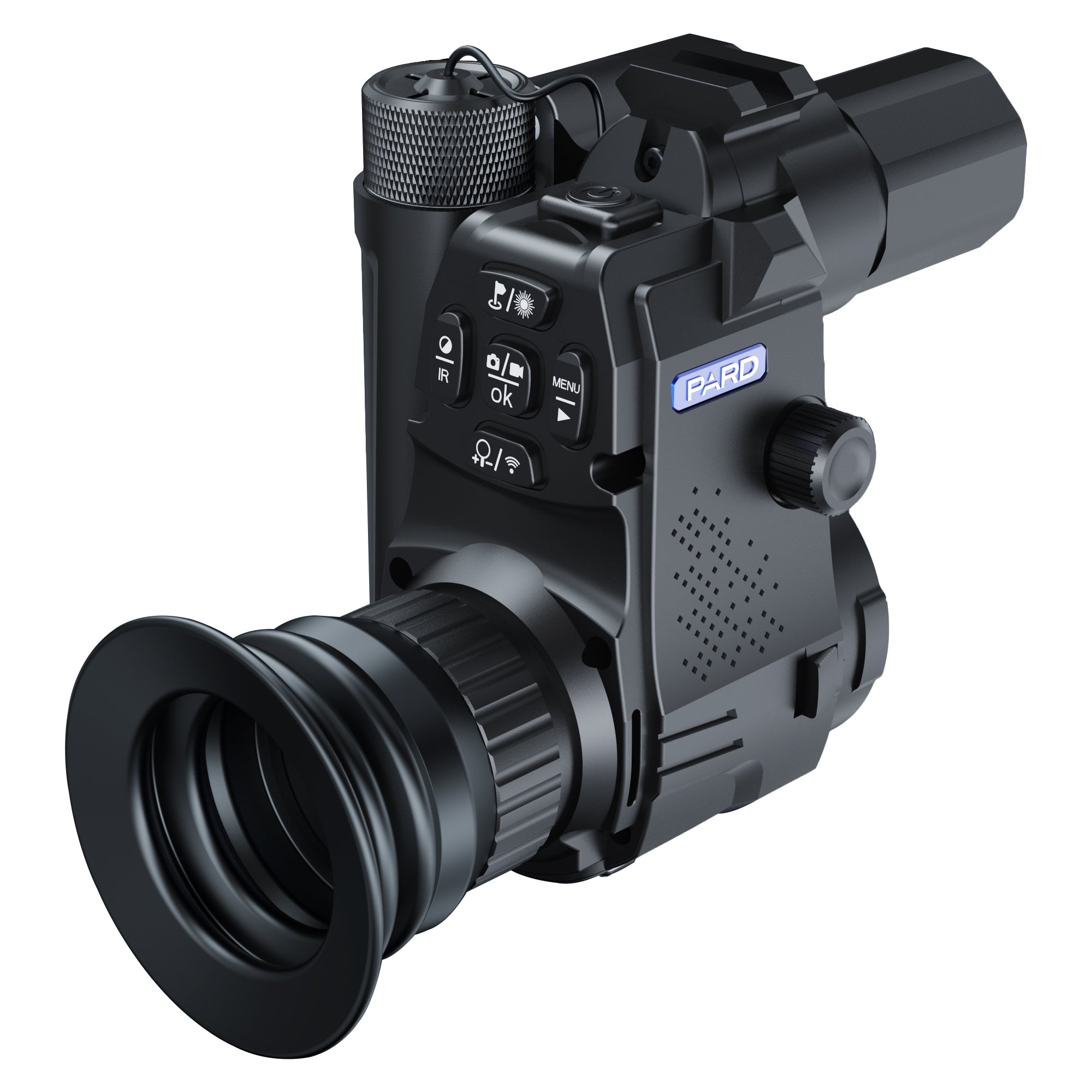
Nightvision sights, on the other hand, work by amplifying existing light, such as stars or moonlight, and converting it into a visible image. They therefore provide a more realistic and detailed image of the surroundings, but usually require some light to function optimally. Nightvision sights are particularly suitable for precision hunting, where a clear image of the target is desired, and are available both as clip-on solutions for existing riflescopes and as dedicated night vision scopes.
In short, thermal optics sees heat , while night vision sees light . Thermal sights are ideal for detecting animals from a distance or through cover, while night vision provides a more lifelike image and is best suited for the actual sighting experience in the dark.